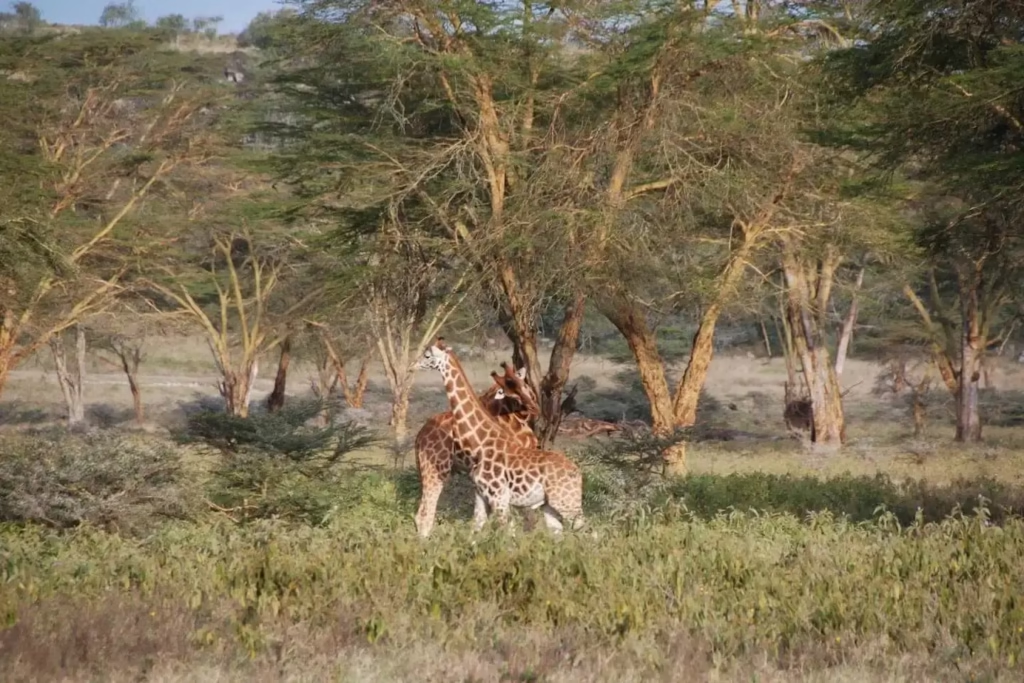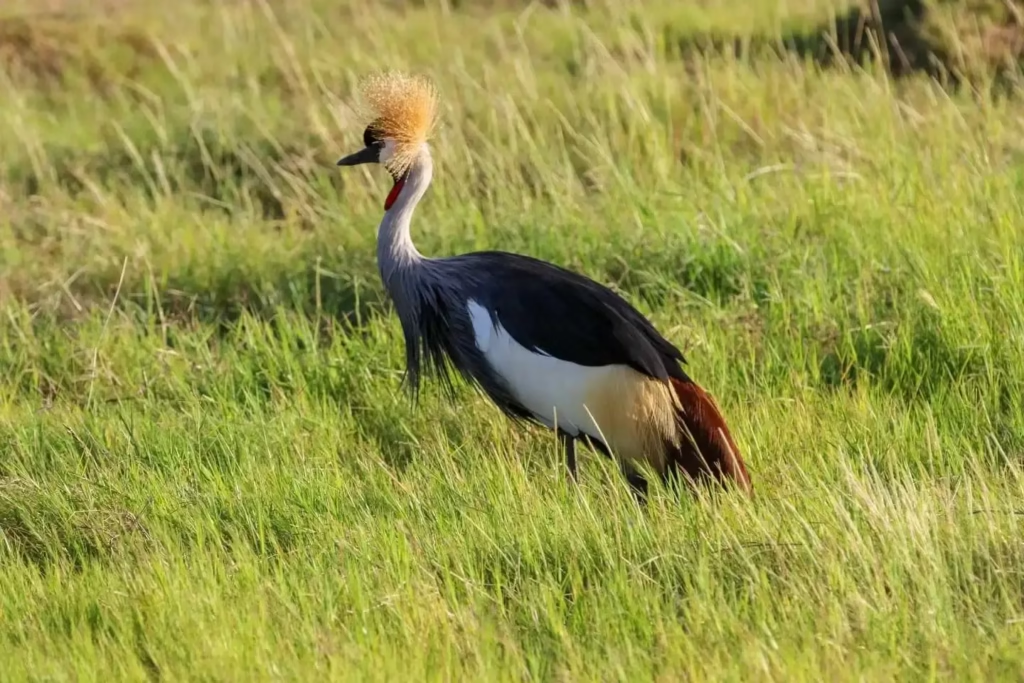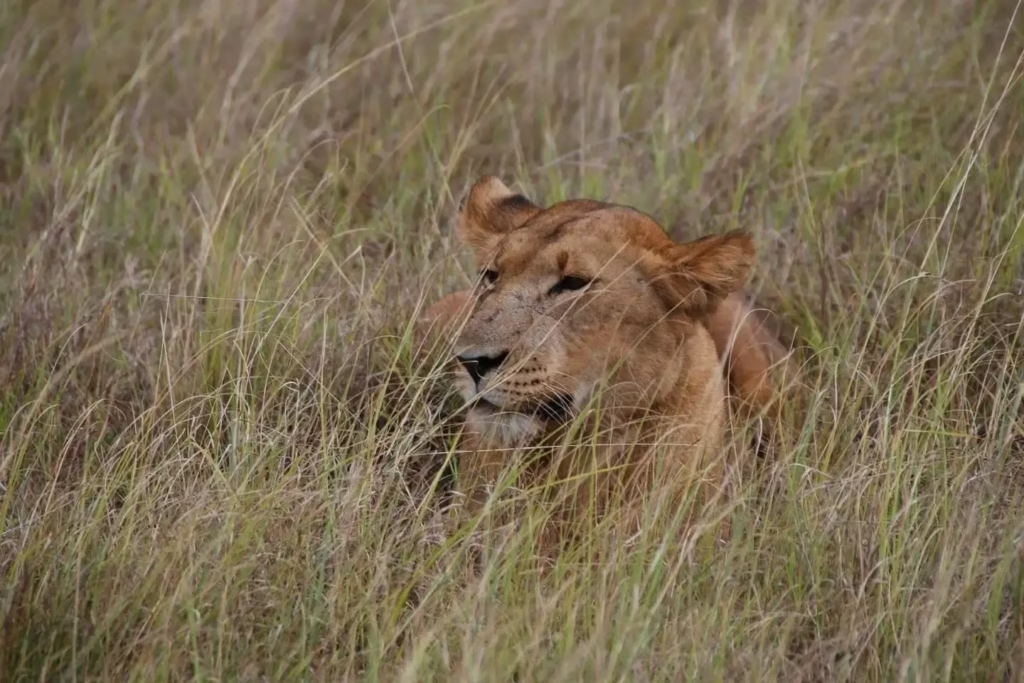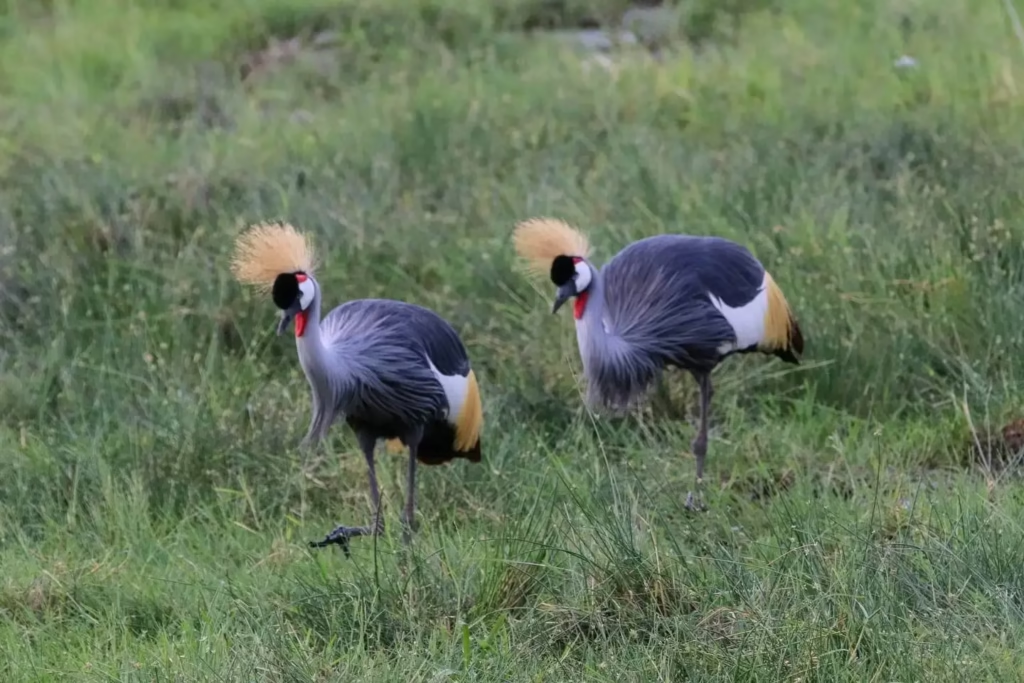
Kenya is one of Africa’s most rewarding safari destinations, and for Americans it’s far easier to reach than most people expect. From the wide grasslands of the Masai Mara to the elephant herds crossing the plains below Mount Kilimanjaro in Amboseli, a Kenya safari hands you wildlife moments that stay with you long after you’re back home. We’ve guided travelers from New York to Los Angeles through Kenya’s finest national parks, and we know exactly what it takes to make the long haul worth every hour in the air.
Getting to Kenya from the US
Reaching Kenya is simpler than it used to be. Kenya Airways now flies nonstop from New York (JFK) into Nairobi, and from anywhere else most travelers connect through Amsterdam, Paris, Dubai, Doha, Istanbul, or Addis Ababa into Jomo Kenyatta International Airport.
Approximate total travel times:
- New York: about 14 hours nonstop, the only direct route from the US
- East Coast (Boston, Washington, Atlanta): 17 to 20 hours with one stop
- Chicago & the Midwest: 18 to 21 hours with one stop
- West Coast (Los Angeles, San Francisco): 20 to 23 hours with one stop
Economy round-trip fares usually run from about USD 1,100 to USD 2,000, depending on the season and how early you book. Seats during peak Migration season go fast, so we suggest booking at least six months out.
When to Visit: Timed to the US School Calendar
Kenya is a year-round safari destination, but timing makes a real difference. Here’s how its seasons line up with the American calendar:
Summer break (June to August): peak Migration season. Kenya’s signature event, the Great Wildebeest Migration, is in full swing, with more than 1.5 million wildebeest crossing the Mara River in one of nature’s most dramatic shows. The dry season also pulls animals toward water, so game viewing is exceptional across every park. This is our most popular window for American families. Book early, as the best lodges fill 9 to 12 months ahead.
September and October: late Migration, excellent conditions. River crossings carry on into October with thinner crowds and better rates at many properties. A strong alternative to midsummer for travelers who want Migration-season quality without the August crunch.
Winter break (late December to January): green season perks. The landscape is lush and photogenic, young animals are everywhere, and lodge rates drop below peak. Amboseli’s calving season draws predators in big numbers, making this a fine window for wildlife photography and a quieter experience with fewer vehicles in the parks.
Spring break (March to April): shoulder-season value. Quieter parks, lower prices, and moody storm skies. Game viewing stays rewarding (the animals don’t vanish in the rains), and this window suits budget-minded travelers who want quality without peak pricing.
Kenya’s Safari Destinations
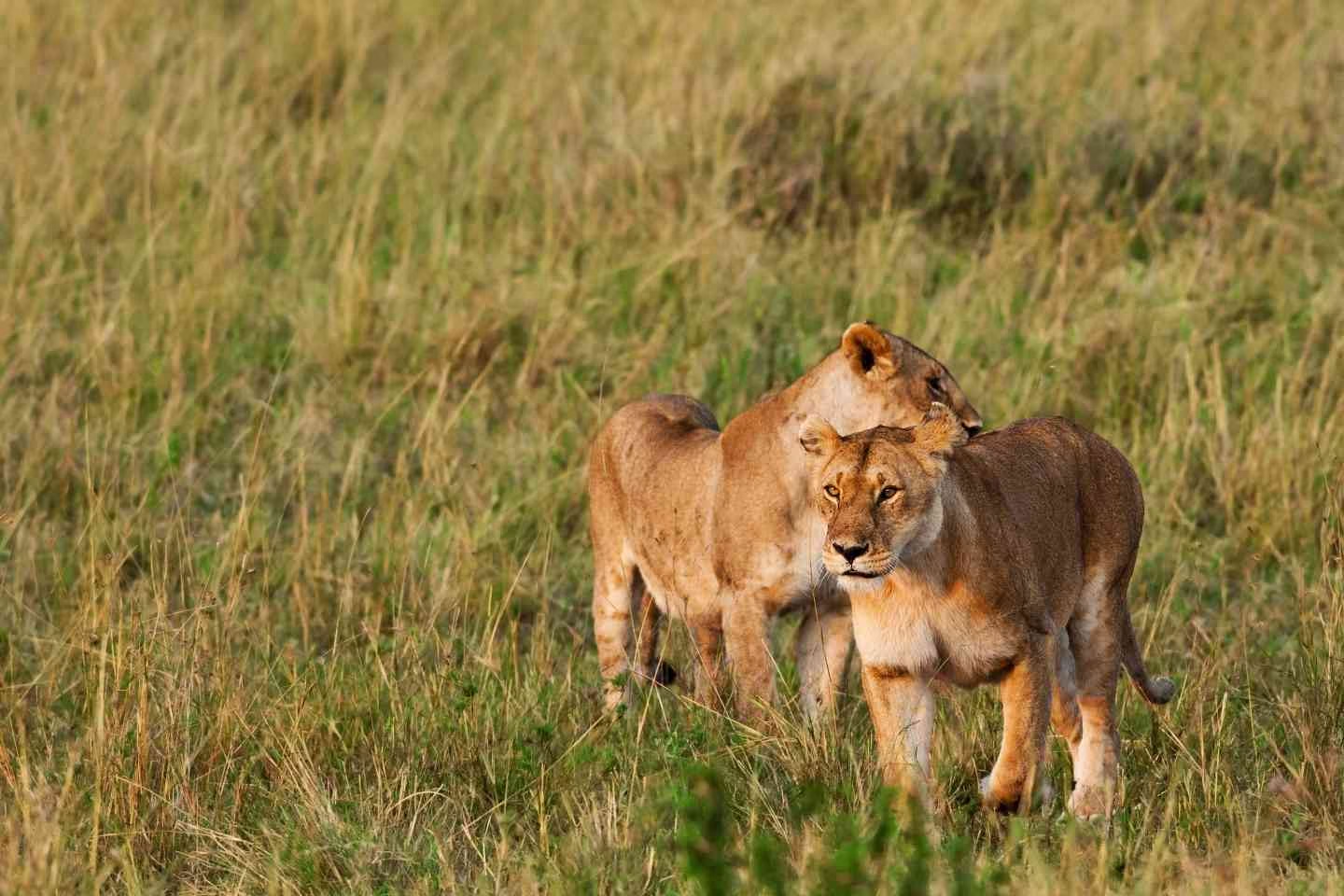
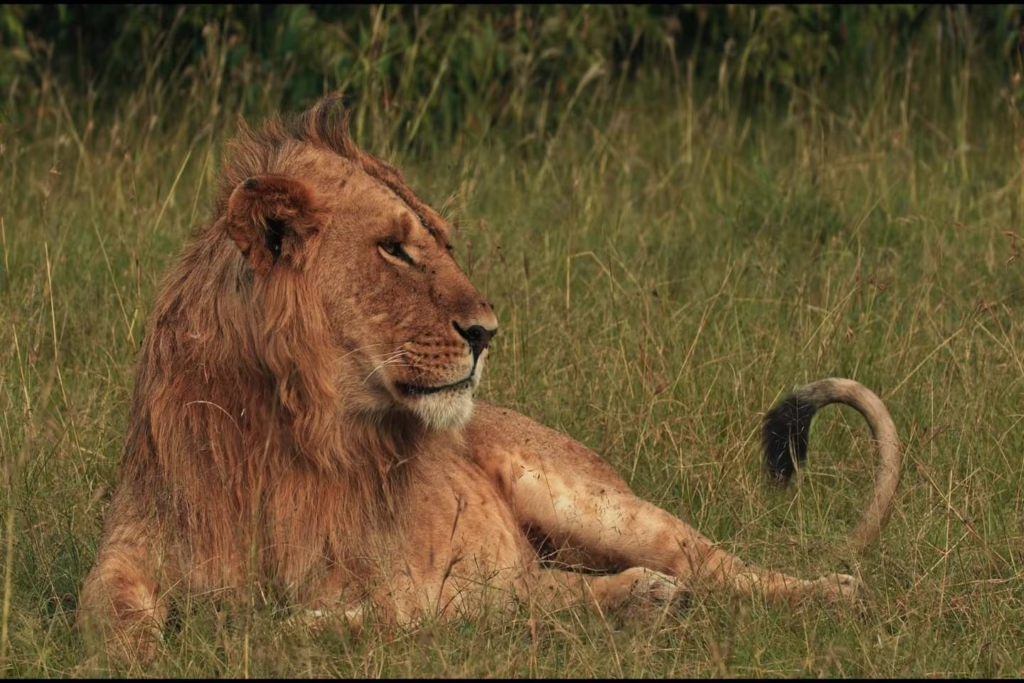
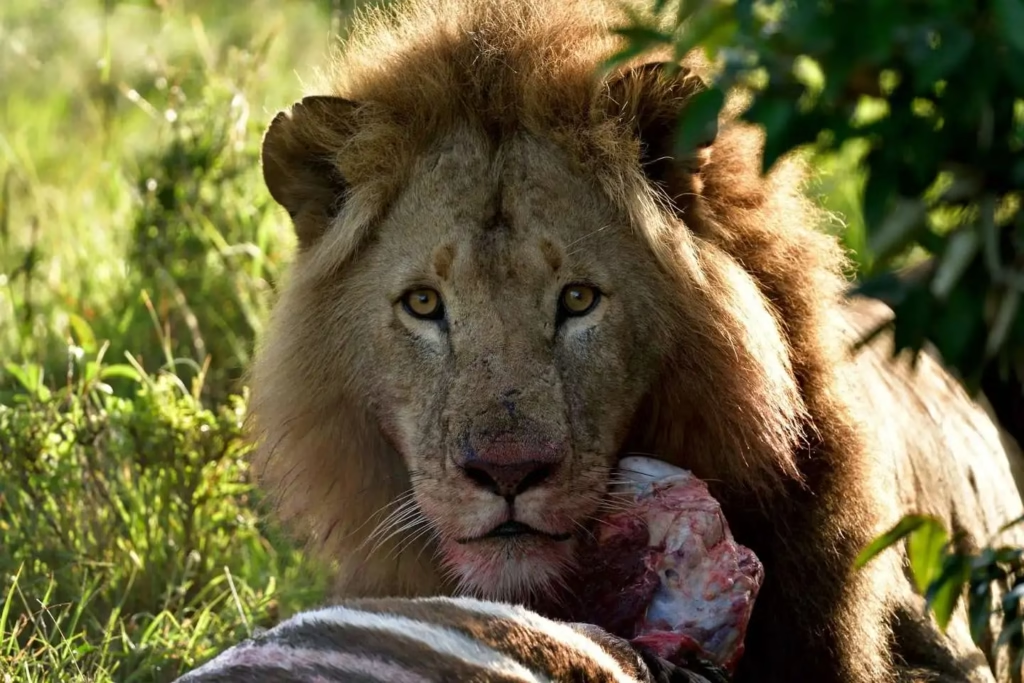
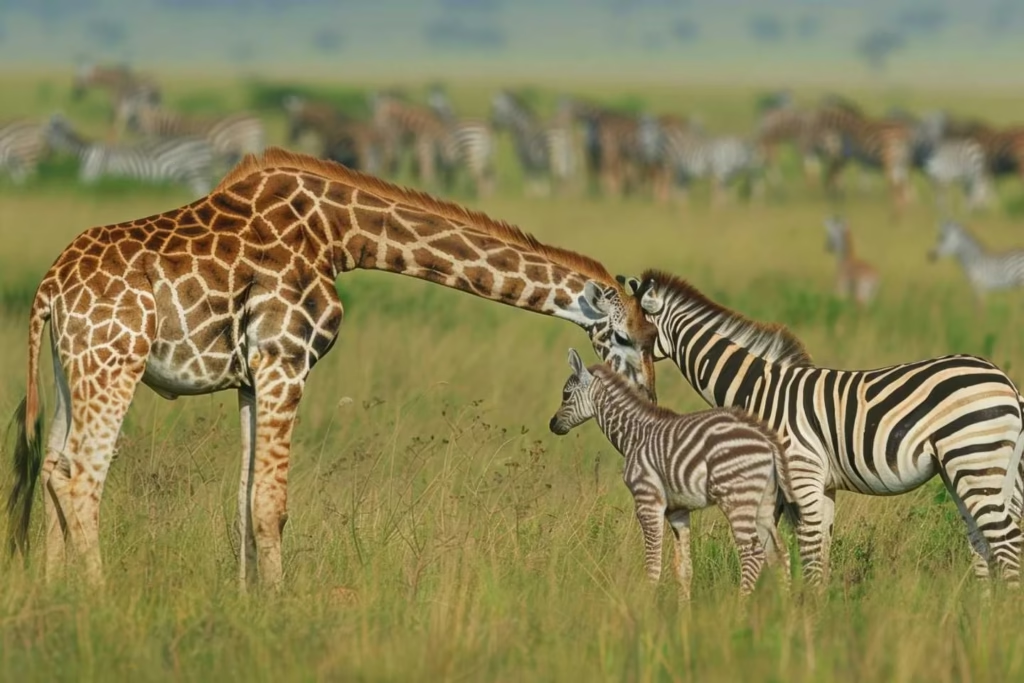
Masai Mara National Reserve is the heart of any Kenya safari. Its open grasslands hold one of the densest wildlife populations in Africa: lion, leopard, elephant, buffalo, rhino, cheetah, wildebeest and zebra all turn up regularly. Game viewing is superb all year, but the Migration from July to October lifts the Mara into a class of its own.
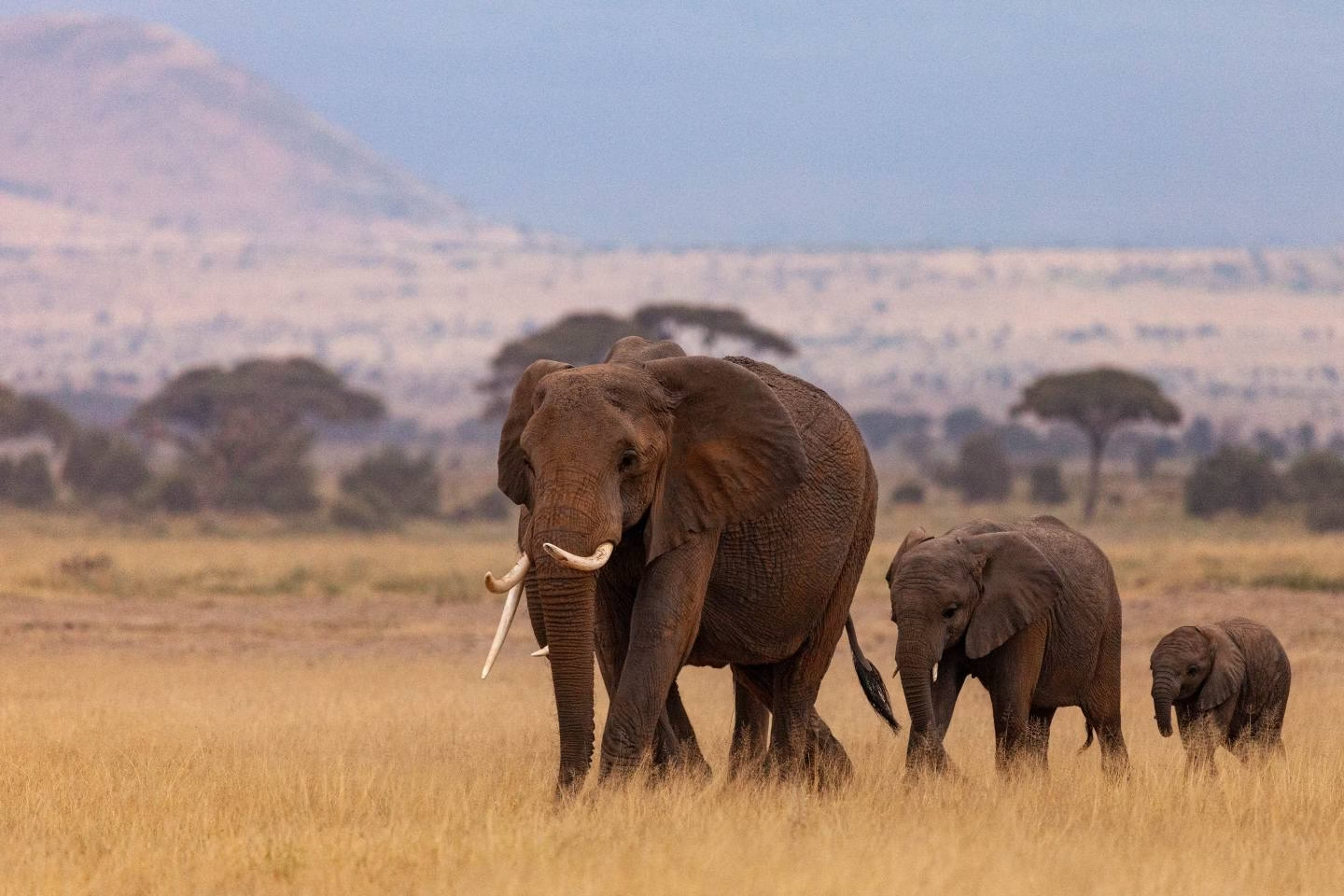
Amboseli National Park gives you one of Africa’s most famous views: big elephant herds crossing open plains with the snow-capped peak of Mount Kilimanjaro rising behind them. Its swamps pull in thick concentrations of wildlife through the dry season, and the open ground makes spotting lion and cheetah easier here than almost anywhere else in Kenya.
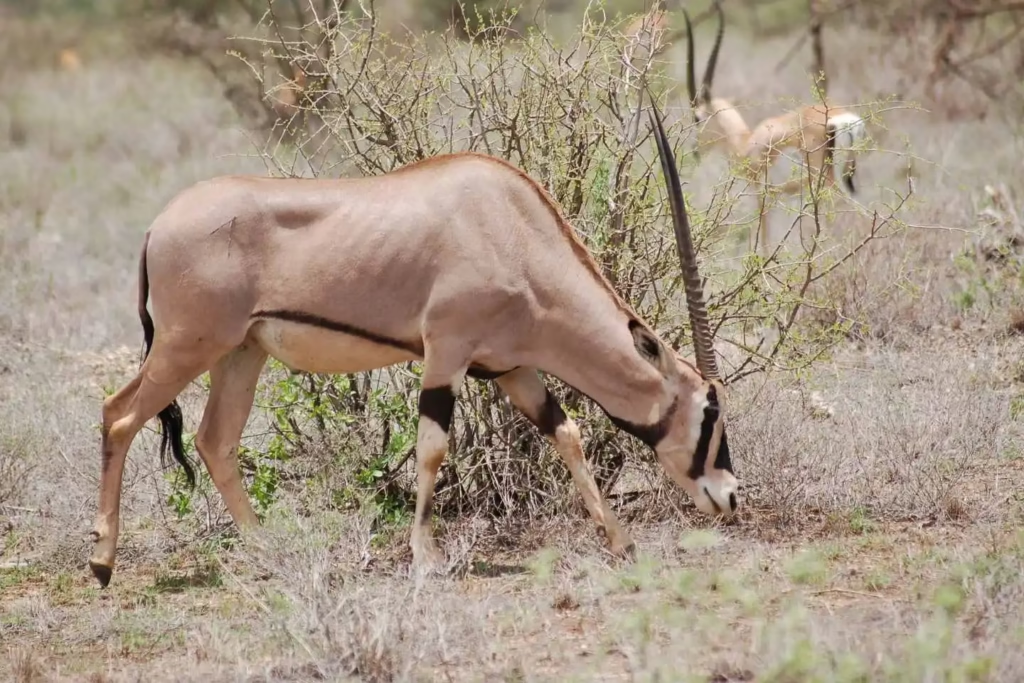
Samburu National Reserve opens up a completely different side of safari. This remote, semi-arid region is home to the Samburu Special Five (reticulated giraffe, Grevy’s zebra, Somali ostrich, gerenuk and Beisa oryx), animals you won’t find elsewhere in Kenya. Fewer visitors and a real sense of wilderness make Samburu one of our top picks on longer itineraries.
Lake Nakuru National Park sits in the Great Rift Valley and ranks among Kenya’s best parks for rhino sightings. Both black and white rhino are protected inside its fenced boundary, and the lakeshore draws flamingos along with a striking range of birdlife. Nakuru falls neatly between Nairobi and the Masai Mara, which makes it a worthwhile one-night stop on most itineraries. You can read more about Kenya’s protected areas through the Kenya Wildlife Service.
Tsavo East and Tsavo West together make up one of the largest protected areas in Africa. Known for their red-dust elephants, dramatic volcanic scenery and wide-open wilderness, they reward travelers after space and fewer crowds. Sitting between Nairobi and the coast, Tsavo also makes a natural stop on a safari-and-beach trip.
Add a Beach Stay: Diani or Mombasa
One of the great perks of a Kenya safari is how easily you can pair it with time on the Indian Ocean coast. After days of early starts and game drives, winding down on a white-sand beach is the perfect way to close out a safari, and for Americans who love both wildlife and the water, the combination is tough to beat.
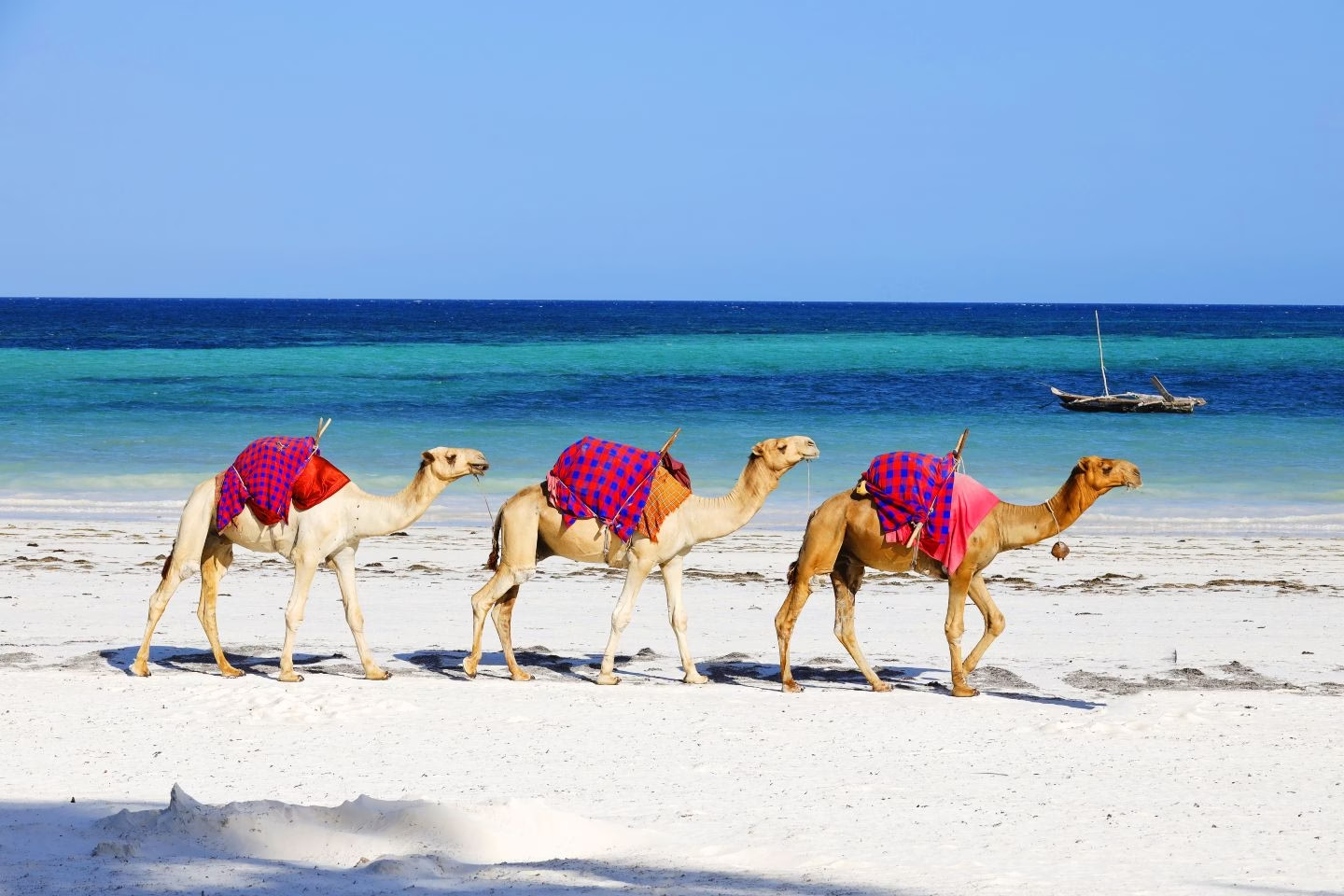
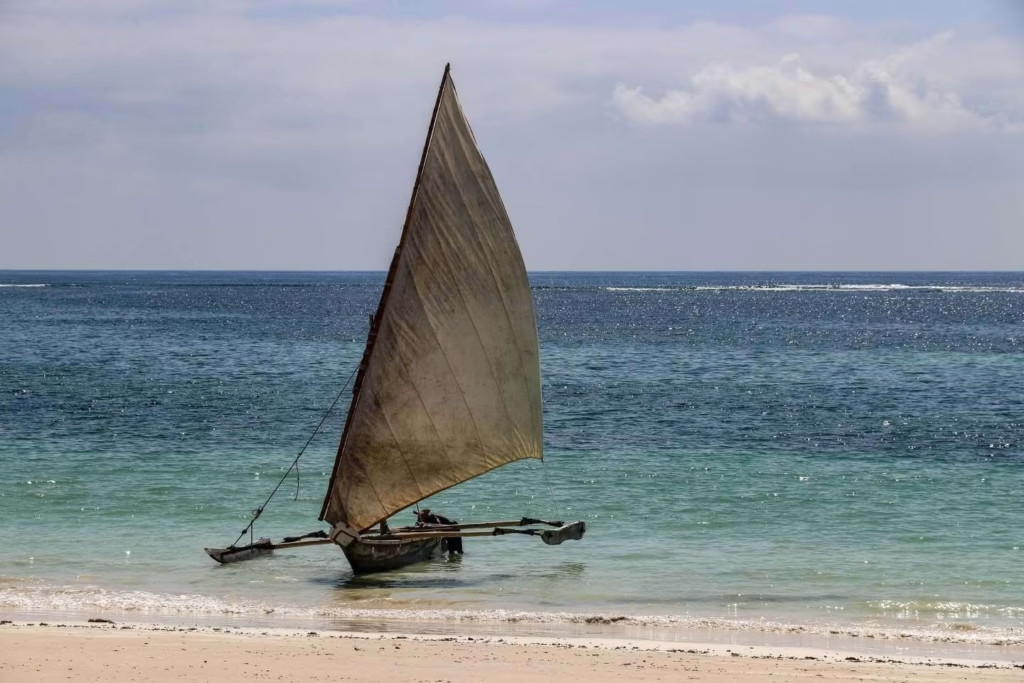
Diani Beach, south of Mombasa, is widely rated among East Africa’s finest. Soft white sand, warm turquoise water and an easygoing mood make it an ideal 3 to 4-night add-on after your safari. Diani is a short hop by air from Nairobi and slots smoothly into most of our itineraries. Mombasa offers more character: a Swahili city layered with centuries of history, excellent seafood, and good beaches to the north and south. Flying out of Mombasa’s international airport also saves you backtracking to Nairobi at the end of your trip.
We can add a 3 to 5-night beach extension to any of our Kenya safari packages.
Experiences Worth Adding
Hot air balloon safari. A sunrise balloon flight over the Masai Mara is one of the most remarkable things you can do in Africa. Drifting in silence above the plains as herds move below in the early golden light, then landing for a champagne breakfast in the bush, it’s an optional add-on on most Masai Mara packages, and one we’d strongly recommend in Migration season.
Private conservancies. The areas bordering the Masai Mara cap vehicles and lodges for a more exclusive feel. Guests get guided walking safaris, night game drives, and Maasai village visits that aren’t permitted inside the national reserve itself.
Cultural visits. The Maasai have lived alongside Kenya’s wildlife for generations. A village visit adds real context to everything you see on game drives, and for American travelers curious about how indigenous communities and the land fit together, it’s often one of the most memorable parts of the trip.
Booking From the US: What You Need to Know
Deposit and payment. Reserve your safari with a 30% deposit. The remaining balance is due 60 days before departure. No hidden fees, no surprises.
eTA for US travelers. Since January 2024, Kenya has replaced its visa with an Electronic Travel Authorization. Apply online at the official eTA portal before you leave; standard processing runs about three business days, and the eTA covers stays of up to 90 days. US citizens can also choose a 5-year multiple-entry eTA. We provide full guidance with every confirmed booking.
Pricing. All packages are priced in USD. Ours start from approximately USD 1,200 per person.
Tipping. A standard guideline is USD $15 to $25 per day for your safari guide and USD $5 to $10 per day for lodge staff. We include a full tipping guide with every booking.
Packing. Light, neutral clothing in khaki, beige or olive. Long sleeves for game drives. Layers for chilly early mornings. A zoom lens of 200mm or longer. Soft duffel bags under 15kg (about 33 lbs) for any light-aircraft legs.
We Know How Americans Travel
From New York to Los Angeles, we’ve guided American travelers through Kenya’s greatest national parks. We understand the journey, the school-break windows, and what matters most to American families and couples making this trip. Our team replies within 24 hours, seven days a week, across the Kenya to US time difference.
Reserve your Kenya safari with a 30% deposit and let us handle everything from there.