

Kenya is one of Africa’s most rewarding safari destinations – and for Australians, more accessible than most people realise. From the sweeping savannahs of the Masai Mara to the elephant-filled plains beneath Mount Kilimanjaro in Amboseli, a Kenya safari delivers wildlife encounters that stay with you long after you land back in Australia. We have guided travellers from Sydney to Perth through Kenya’s greatest national parks, and we understand exactly what it takes to make the long journey genuinely worth every hour in the air.
Getting to Kenya from Australia
There are no direct flights from Australia to Nairobi, but connections are straightforward. Most travellers fly via Dubai, Doha, Singapore, or Addis Ababa into Jomo Kenyatta International Airport.
Approximate total travel times:
- Sydney & Melbourne – 20 to 23 hours including one stop
- Perth – 14 to 16 hours, making it one of the closest Australian cities to East Africa
- Brisbane & Adelaide – 20 to 22 hours including one stop
Economy round-trip fares typically range from AUD 1,900 to AUD 2,800 depending on season and how far in advance you book. Peak Migration season flights sell out quickly – we recommend booking at least six months ahead.
When to Visit – Aligned with Australian School Holidays
Kenya is a year-round safari destination, but timing makes a real difference. Here is how Kenya’s seasons align with the Australian calendar:
July school holidays – peak Migration season. Kenya’s most famous event – the Great Wildebeest Migration – is in full swing. Over 1.5 million wildebeest cross the Mara River in one of nature’s most dramatic spectacles. The dry season also concentrates animals around water, making game viewing exceptional across all parks. This is our most popular window for Australian families. Book early – quality lodges fill up 9 to 12 months in advance.
September and October school holidays – late Migration, excellent conditions. River crossings continue into October with slightly fewer crowds and more competitive prices at many properties. An excellent alternative to July for families wanting Migration-season quality without peak-August congestion.
December and January summer holidays – green season advantages. Landscapes are lush and photogenic, newborn wildlife is abundant, and lodge prices are lower than peak season. Amboseli’s calving season draws predators in numbers, making this a superb window for wildlife photography and a more intimate experience with fewer vehicles in the parks.
April school holidays – shoulder season value. Quieter parks, lower prices, and dramatic stormy skies. Game viewing is still rewarding – animals do not disappear in the rains – and this window suits budget-conscious travellers who want quality without peak-season costs.
Kenya’s Safari Destinations
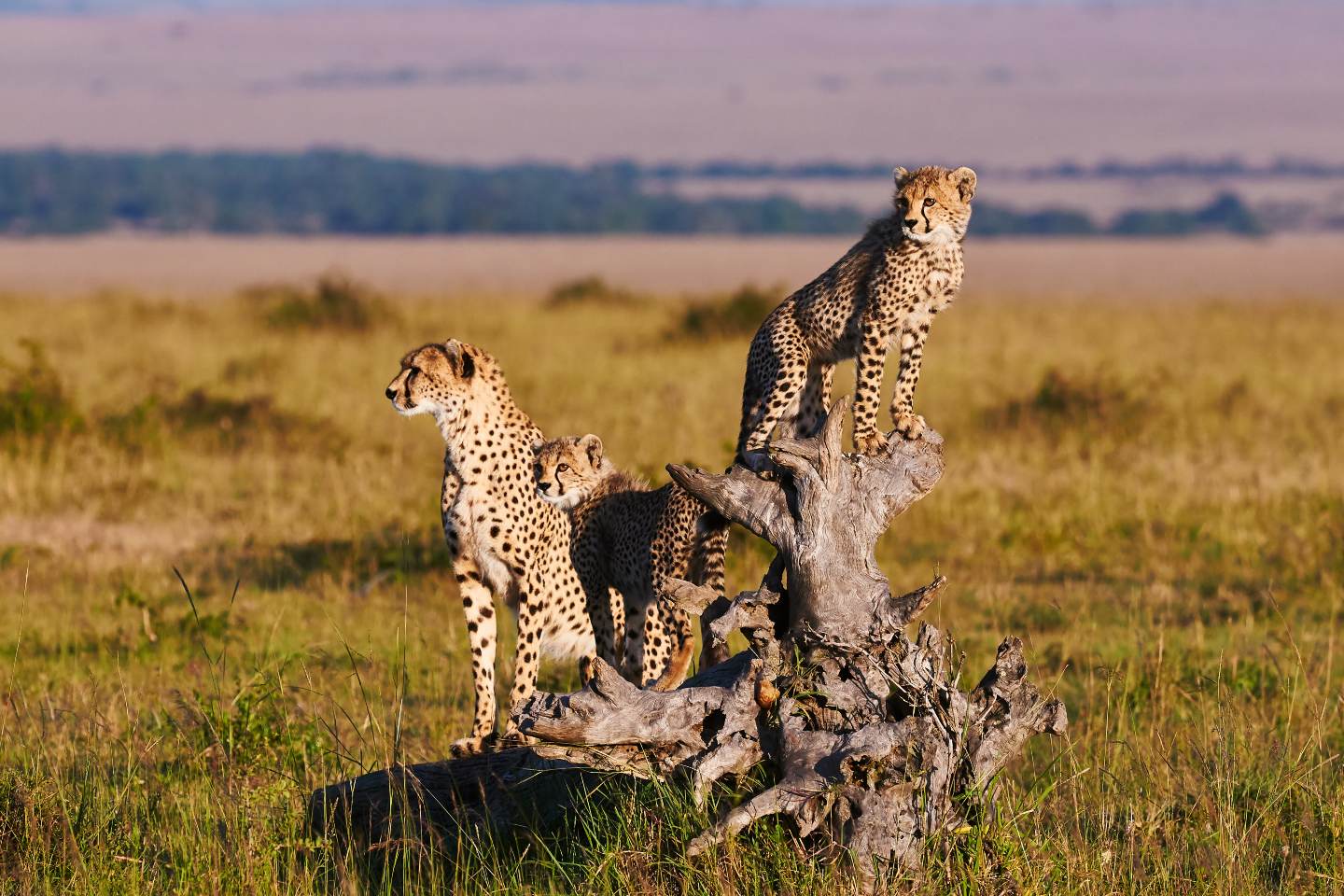
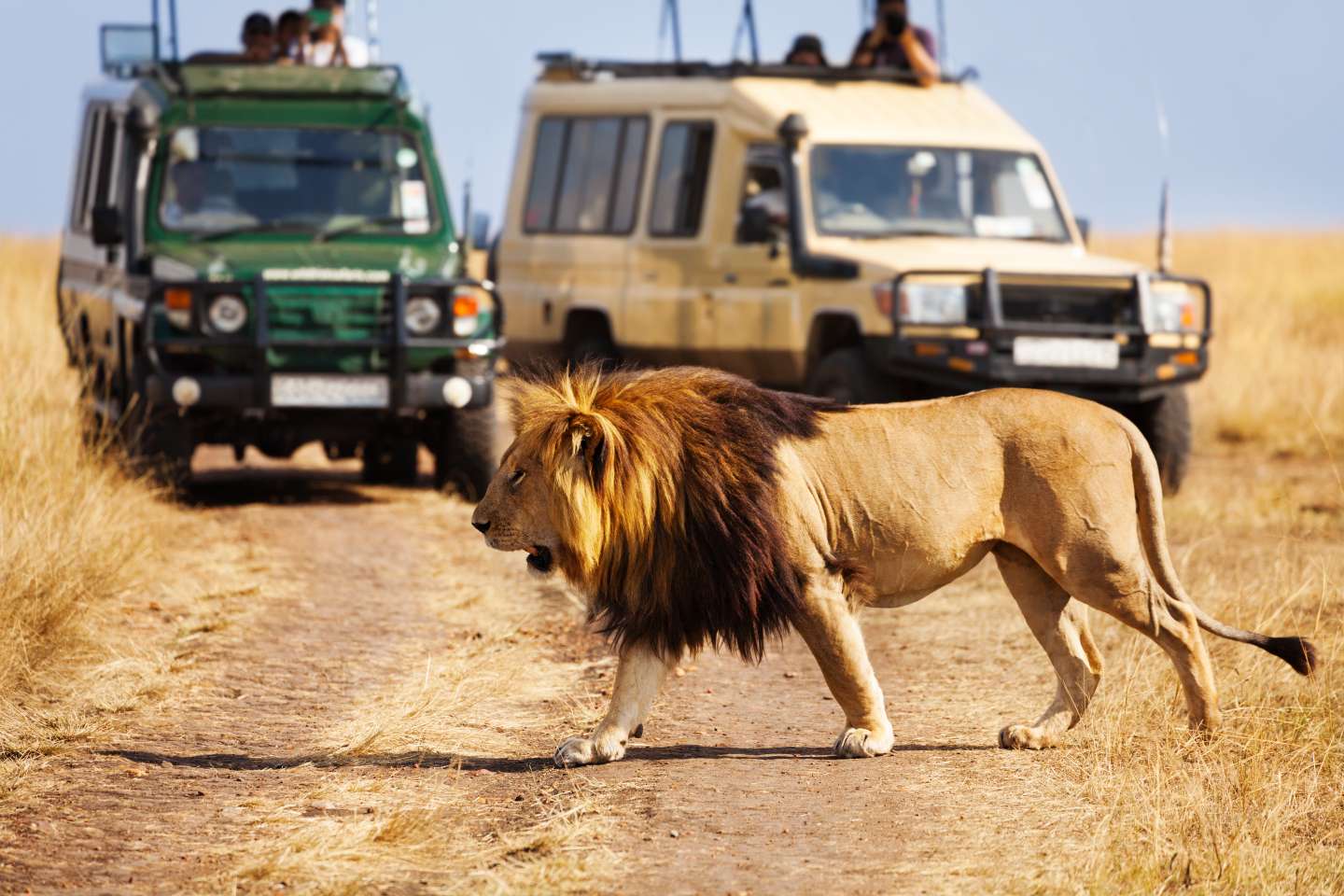
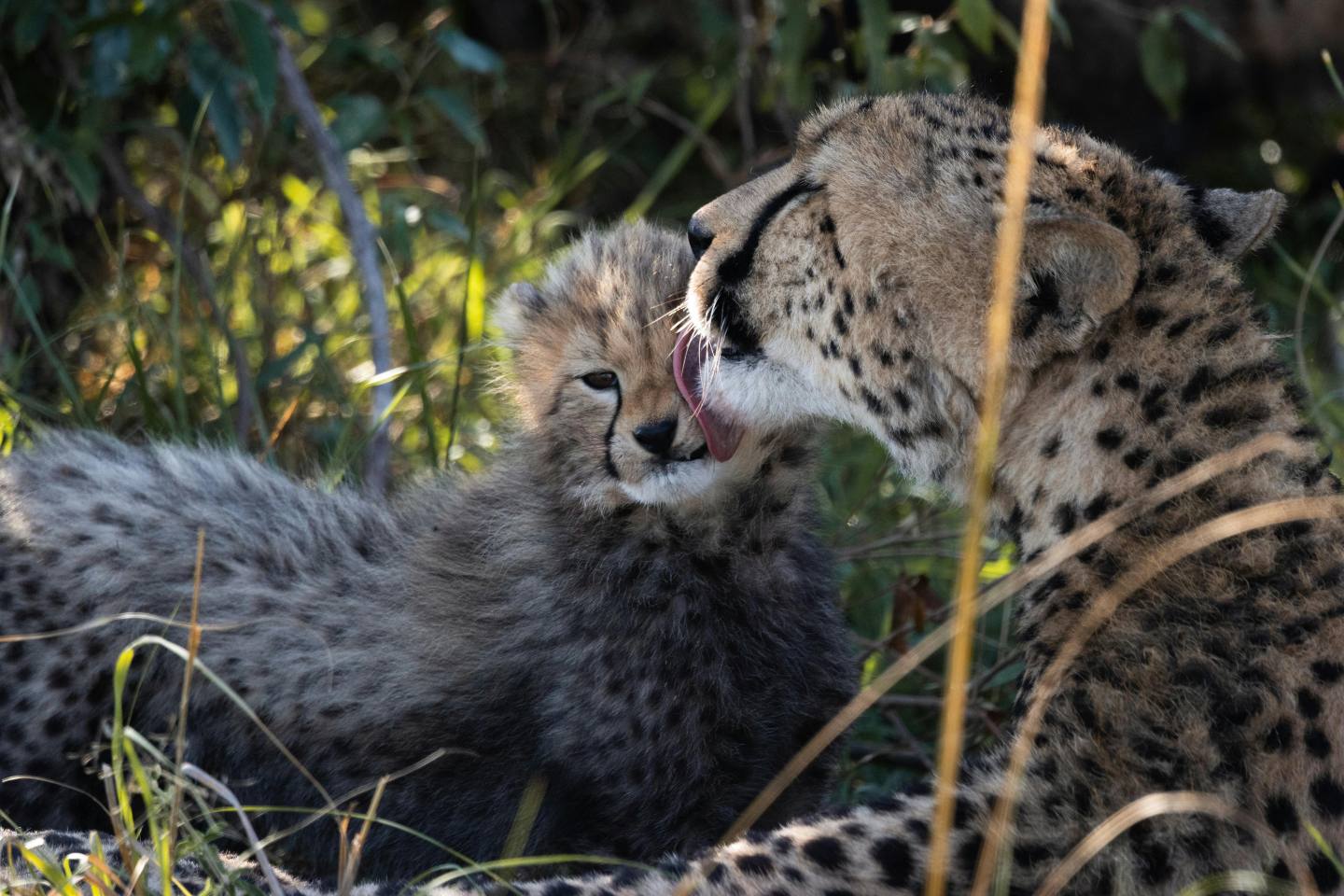
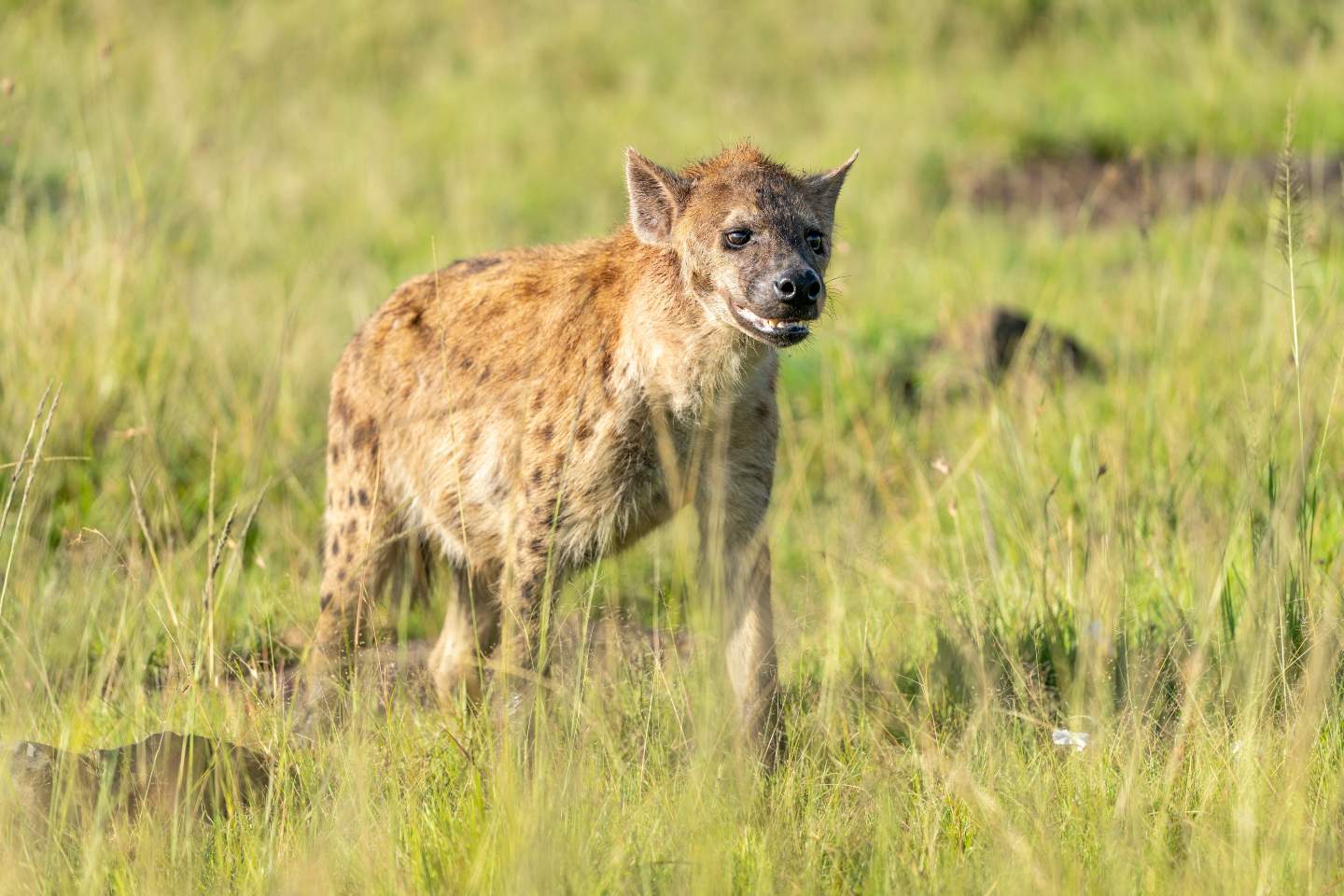
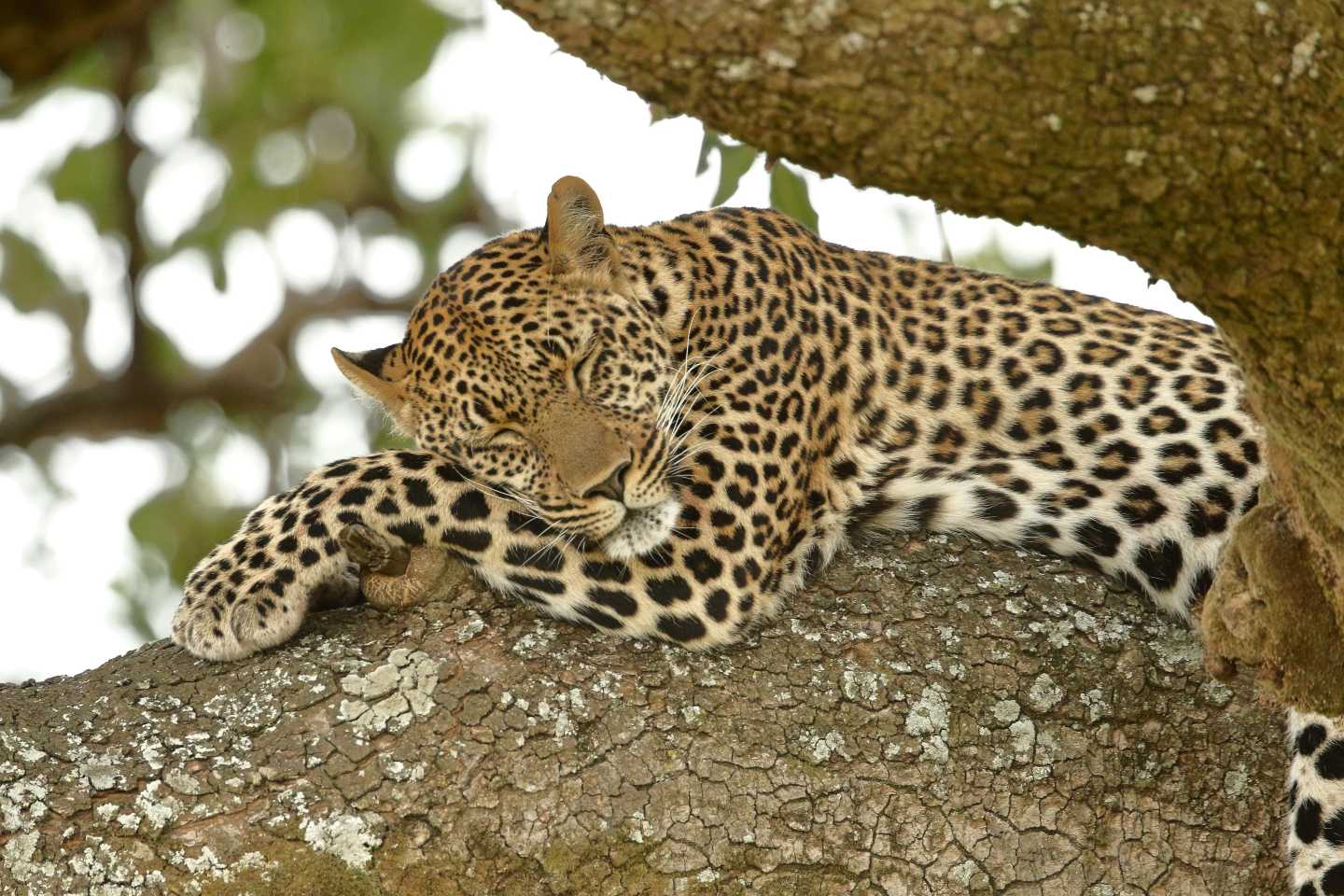
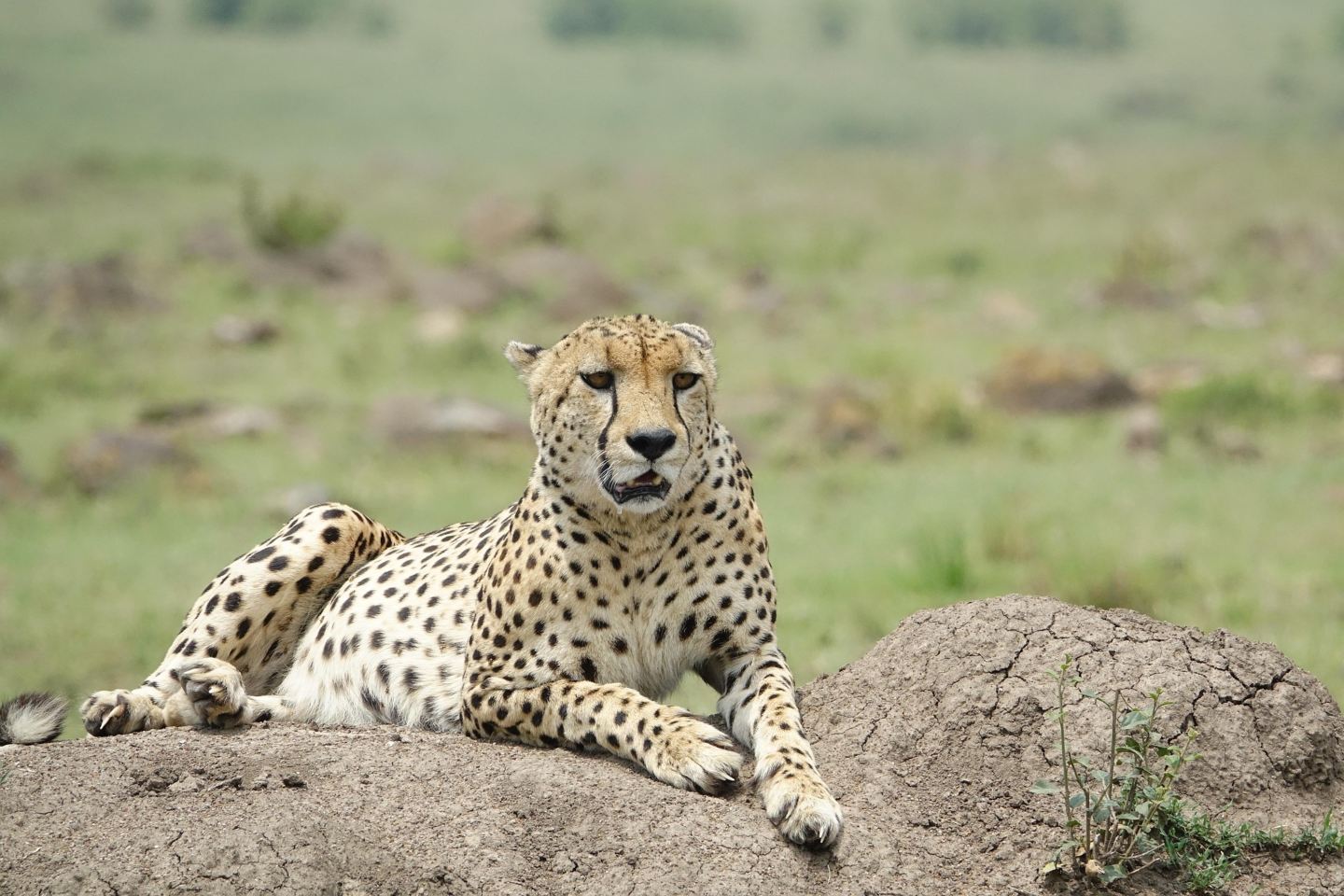
Masai Mara National Reserve is the centrepiece of any Kenya safari. The Mara’s open grasslands support one of the highest concentrations of wildlife in Africa – lion, leopard, elephant, buffalo, rhino, cheetah, wildebeest, and zebra are all regularly sighted. Game viewing is extraordinary year-round, but the Migration between July and October elevates the Mara to another level entirely.
Amboseli National Park offers one of Africa’s most iconic images – large elephant herds moving across open plains with the snow-capped summit of Mount Kilimanjaro rising behind them. The park’s swamps attract dense concentrations of wildlife during the dry season, and its open terrain makes spotting lion and cheetah easier than almost anywhere else in Kenya.
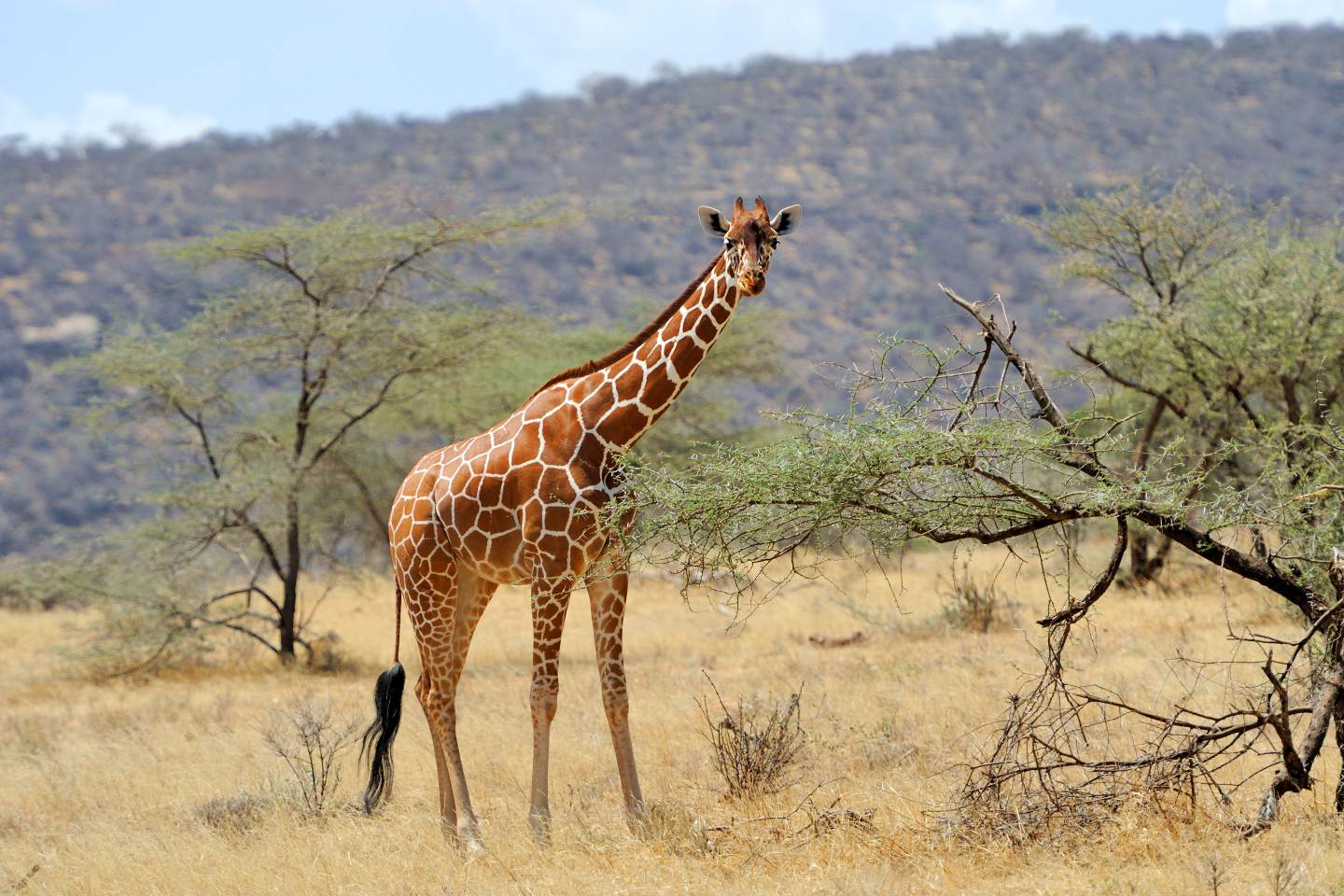
Samburu National Reserve introduces travellers to a completely different safari experience. This remote, semi-arid region is home to the Samburu Special Five – reticulated giraffe, Grevy’s zebra, Somali ostrich, gerenuk and Beisa oryx – species found nowhere else in Kenya. Fewer visitors and a genuine sense of wilderness make Samburu one of our most highly recommended stops on longer itineraries.
Lake Nakuru National Park sits within the Great Rift Valley and is one of Kenya’s best parks for rhino sightings. Both black and white rhino are protected within its fence perimeter, and the lake shores attract flamingos and a remarkable diversity of birdlife. Nakuru sits naturally between Nairobi and the Masai Mara, making it a rewarding one-night addition to most itineraries.
Tsavo East and Tsavo West together form one of the largest protected areas in Africa. Known for red-dust elephants, dramatic volcanic scenery, and genuine wilderness, Tsavo rewards travellers who want space and fewer crowds. Its location between Nairobi and the Kenyan coast also makes it a natural stop on a safari-and-beach itinerary.
Add a Beach Stay – Diani or Mombasa
One of the great advantages of a Kenya safari is the ability to combine it with a stay on the Indian Ocean coast. After days of early mornings and game drives, unwinding on a white-sand beach is the perfect way to end a safari holiday – and for Australians who love both wildlife and the ocean, this combination is hard to beat.
Diani Beach, south of Mombasa, is widely regarded as one of East Africa’s finest beaches. Powdery white sand, warm turquoise water, and a relaxed atmosphere make it an ideal 3 to 4-night extension after your safari. Diani is a short flight from Nairobi and connects seamlessly into most of our itineraries. Mombasa offers a more characterful experience – a Swahili city with centuries of history, excellent seafood, and beautiful beaches north and south of the city. Flying out of Mombasa’s international airport also means you avoid backtracking to Nairobi at the end of your trip.
We can add a 3 to 5-night beach extension to any of our Kenya safari packages.
Experiences Worth Adding
Hot air balloon safari – A sunrise balloon flight over the Masai Mara is one of the most extraordinary experiences in Africa. Drifting silently above the plains as herds move below in golden morning light, followed by a champagne breakfast in the bush – this is an optional add-on available on most Masai Mara packages and one we strongly recommend during Migration season.
Private conservancies – Areas bordering the Masai Mara that limit vehicles and lodges for a more exclusive experience. Guests can access guided walking safaris, night game drives, and Maasai village visits not permitted inside the national park.
Cultural visits – The Maasai people have lived alongside Kenya’s wildlife for generations. A village visit adds meaningful context to everything you see on game drives, and for Australian travellers interested in the relationship between indigenous communities and land, it is often one of the most memorable parts of the trip.
Booking From Australia – What You Need to Know
Deposit and payment – Reserve your safari with a 30% deposit. The remaining balance is due 60 days before departure. No hidden fees, no surprises.
eTA for Australians – Since January 2024, Australians no longer need a traditional visa. Apply for an Electronic Travel Authorisation online before departure. Processing takes 3 to 5 business days and covers stays up to 90 days. We provide full guidance with every confirmed booking.
Pricing – All packages are priced in AUD. Our packages start from approximately AUD 1,600 per person.
Tipping – AUD $15 to $30 per day for your safari guide and AUD $5 to $10 per day for lodge staff is the standard guideline. We include a full tipping guide with every booking.
Packing – Light, neutral-coloured clothing in khaki, beige, or olive. Long sleeves for game drives. Layers for cool early mornings. A zoom lens of 200mm or more. Soft duffel bags under 15kg for any light aircraft legs.
We Know How Australians Travel
From Sydney to Perth, we have guided Australian travellers through Kenya’s greatest national parks. We understand the journey, the school holiday windows, and what matters most to Australian families and couples making this trip. Our team responds within 24 hours, seven days a week, across the Kenya–Australia time difference.
Reserve your Kenya safari with a 30% deposit and let us take care of everything from there.