- Call: +254 711 547299
- info@majestickenya.com

Chasing the Great Migration: An Australian’s Guide to Timing It Right
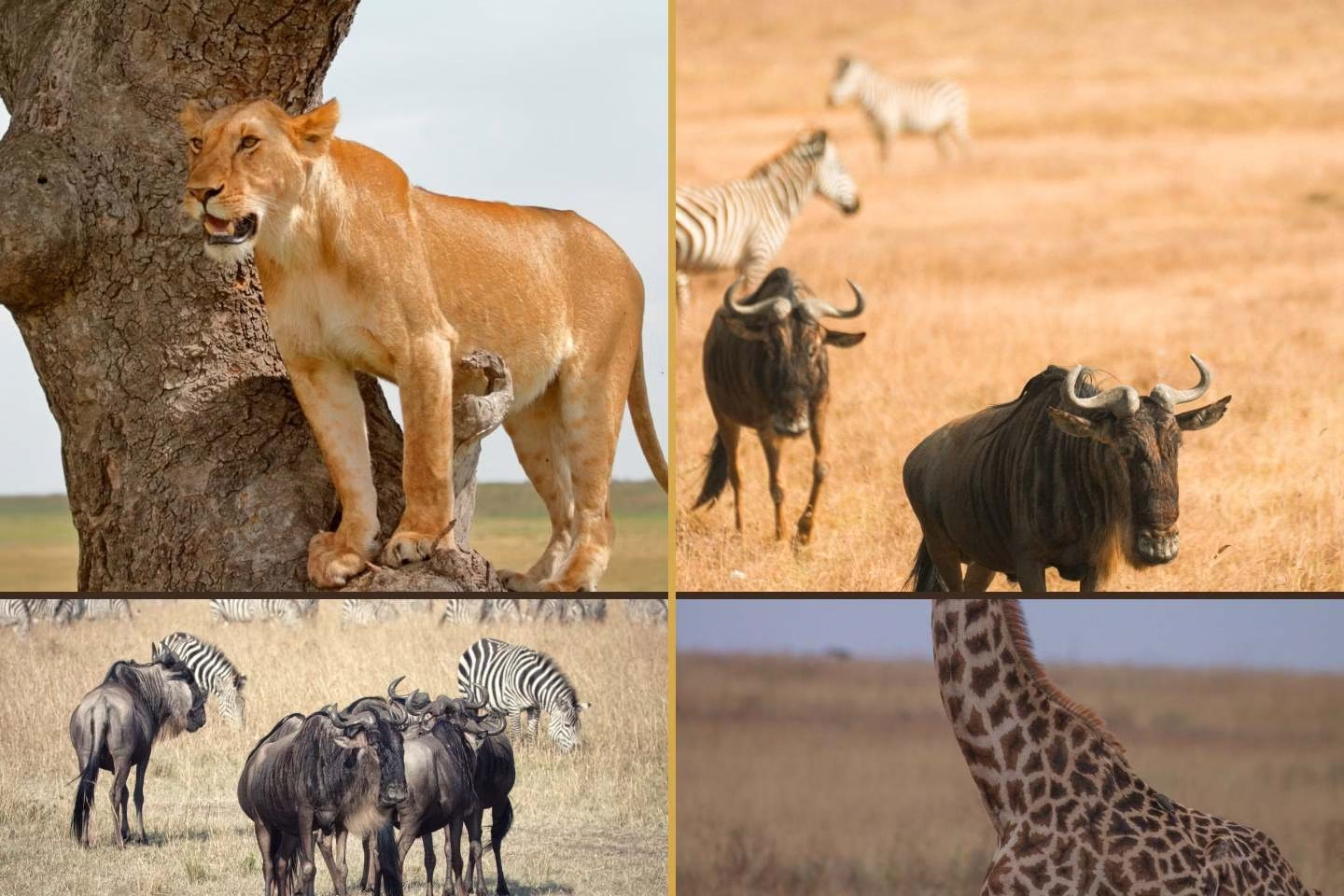
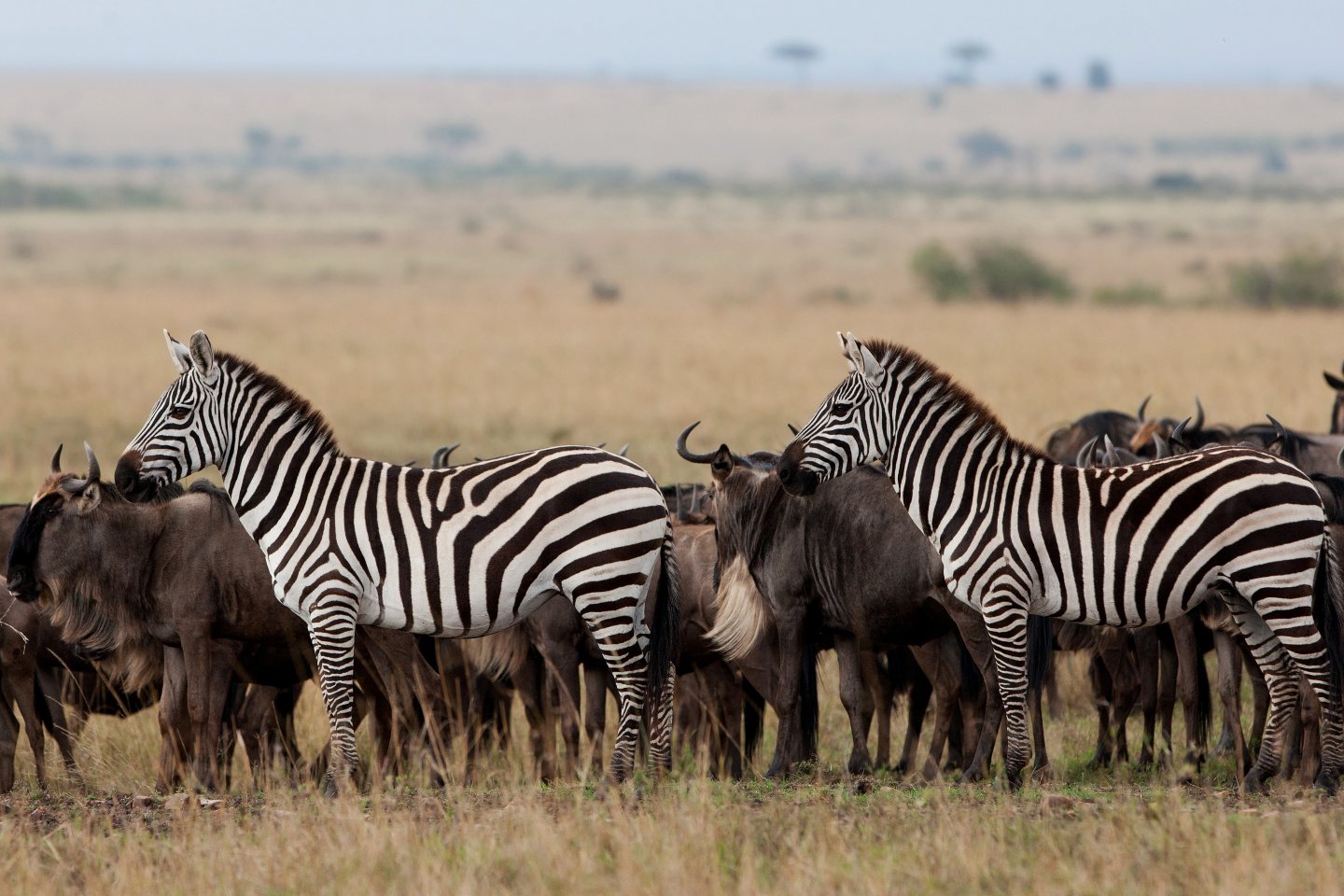
One thing more Australians ask about the Masai Mara than any other Kenyan park is this: the great migration, where more than 1.5 million wildebeest, hundreds of thousands of zebra and gazelle, traverse the plains in one of the world’s largest wildlife migrations. It is the one thing that Australian clients ask for the most and is one of the most misunderstood experiences when it comes to timing. This is what you really need to know to plan for it.
The reality of the migration.
The Migration is not one event, it is an ongoing process that takes place throughout the year. About 2 million wildebeest, zebra and gazelle migrate in a circle between the Serengeti in Tanzania and the Masai Mara in Kenya, in search of fresh grazing, through land that is protected by both the county authorities and the Maasai Mara Wildlife Conservancies Association. The dramatic river crossings that feature in every documentary and every safari brochure photo occur when the herds cross the Mara River (and Tanzania’s Grumeti River earlier in the year) to move between the two countries.
If you’re an Australian who is only interested in visiting Kenya, the period of the cycle that is relevant is the time the herds spend in the Masai Mara, which is approximately July to October.
When to Be in the Mara
The herds usually cross the Mara River in dramatic fashion in July, arriving in the Mara from the Serengeti. This is the height of Migration season and our busiest booking period for Australian families as it falls in line with July school holidays. This time of year is also a time when wildlife is concentrated around water sources in all parks and not just the Mara, so game viewing is excellent throughout this time of year. If you are considering the Mara versus other parks for this window, you may want to read our Masai Mara versus Amboseli comparison.
The Mara is usually the most populated in August when the herd numbers are at their peak and the animals are moving around the reserve in search of fresh grass.
September and October are the later part of the period, and river crossings continue into October as the herds start to make their way back to the Serengeti. The numbers of people are reduced from the July-August peak and lodging rates are more competitive, but there is no significant decrease in game viewing. This is truly one of the best value windows for anyone in particular looking for the Migration, and it fits nicely with the school holidays in Australia in September-October.
The actual appearance of a river crossing.
It’s worth setting expectations here, as it’s not a given on any given day. Herds congregate at the riverbank, sometimes for hours, increasing in number until a crossing is initiated, often by one animal simply making the leap. Once it begins, hundreds or thousands of animals can cross in a few minutes, and predators such as lions are waiting on both sides and Nile crocodiles are waiting in the water. It is chaotic, loud and is actually one of the most intense wildlife experiences anywhere in the world.
The catch is that crossings are not scheduled and that a full day in Mara does not guarantee a crossing. The chances of seeing these animals are much better with a multi-night stay as the experienced guides know how to read the herd’s movements and position the vehicles accordingly, but it is truly wild and unscripted animal behaviour, not a timed show.
How Many Nights You Actually Need
We recommend a minimum of three nights in the Mara during Migration season to have the best chance of seeing a crossing. This provides your guide with several chances on various days and various crossing points, instead of one lucky chance. This is why we have incorporated this type of extended Mara stay in our longer packages such as the 10-Day Kenya Explorer.
Booking Timeline
This is the most common mistake Australians make: booking too late. Quality lodges in and around the Mara are booked up to 9-12 months ahead for July alone and flights from Australia for this month are booked out early and become increasingly expensive as time goes on. By the latest, plan for July by the previous September or October.
September-October is a little more flexible in terms of lead time, but we would still suggest booking as far in advance as possible to guarantee your lodge and to get a better flight rate.
Beyond the River Crossings
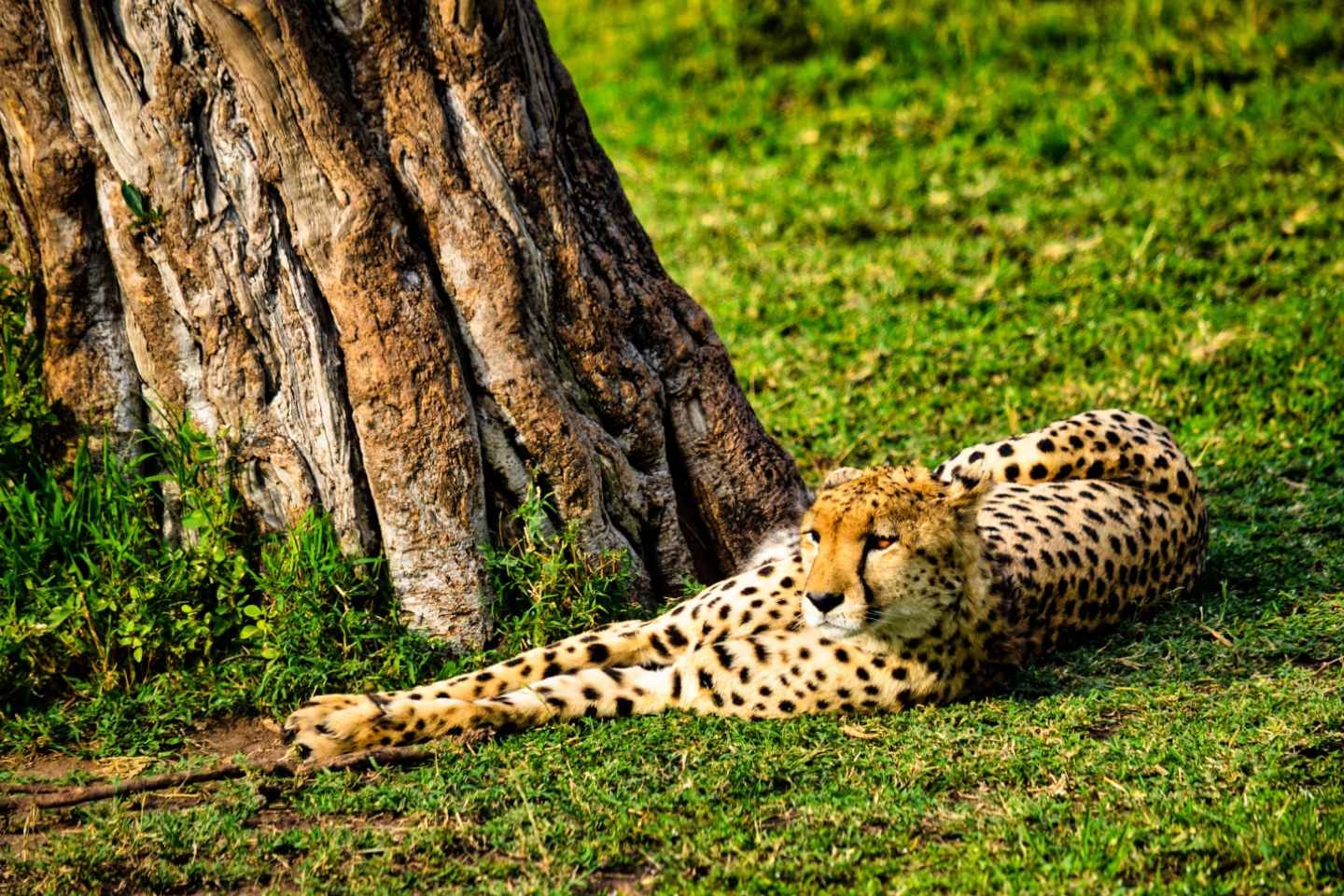
It’s important to keep in mind that the Migration is not just about the crossings. The concentration of grazing animals on the plains during this time of year attracts predators in greater numbers than at other times of the year. Lion prides are more active around the herds, cheetah sightings are more frequent as they feed on exposed and vulnerable animals on open ground, and the density of wildlife is higher than anywhere else in Africa at any time of year from July to October. A Migration-season Mara safari offers wildlife viewing that is better than most other times of the year, even if you don’t see a crossing.
Adding a Balloon Safari
A hot air balloon flight over Mara during Migration season is a serious consideration if you can afford it. Drifting quietly over herds moving across the plains in early morning light, followed by a champagne breakfast out in the bush is another way to experience the scale of what’s happening below and one of the most requested add-ons we get for Migration-season trips specifically.
Which Package Fits
Our 10-Day Kenya Explorer includes three nights in the Mara with Samburu, the Rift Valley lakes and Amboseli, providing great Migration chances without missing out on the rest of Kenya. For those who wish to spend more time in the Mara itself, but less time in the rest of the itinerary, we can modify any of our 7 or 8 day packages to spend more time in the Mara, at the expense of the other areas of the itinerary.
The Bottom Line
If you are planning this trip because you want to see the Migration, try to plan for July to early October, allow at least three nights in the Mara and book as far in advance as possible, preferably 9-12 months ahead for July dates. It’s truly worth the time in planning. It is an experience that is unmatched in the world of wildlife.
Let us know your dates and we’ll let you know what stage of the Migration you are likely to encounter and create an itinerary around maximising your chances of a crossing. Our general guide to the best time to visit Kenya from Australia includes information on how Migration timing relates to other seasonal factors in Kenya.
Facebook
Twitter
LinkedIn
Email

Tracey Pelham
Tracey is a Senior Safari Consultant at Majestic Kenya Safaris. She holds a degree in Travel and Tourism Management from the University of Nairobi and has spent more than a decade planning safaris, including several years at Ardan Safaris, where she worked in safari offices and at ground level in bush camps. Her insights have appeared in several travel magazines and she has authored two guides on sustainable tourism practices. She writes on safari costs, trip planning, conservation, sustainable tourism, and wildlife. She is also an avid safari enthusiast, Masai Mara being her favorite safari destination.
From Our Blog
July 16, 2026
July 16, 2026
Save up to 20%
We currently have an offer where you can save up to 20% if you book today.
Save 20%