- Call: +254 711 547299
- info@majestickenya.com

Kenya Safari vs Tanzania Safari: Which One is Right for You?
This is typically the initial choice point for anyone looking into an East African safari and is a regular feature of the correspondence we receive from Australian safari guests. Both countries share a border, both have world class wildlife and both are great places to visit. However, they’re not the same, and a couple of practical differences are more relevant to Australians than the general safari blogs may suggest.
The Short Answer
Kenya and Tanzania share the same wild country (the Serengeti and Masai Mara are one connected range of land divided by a border), and both offer the Big Five and the Great Migration. The difference lies in the cost, flight arrangements from Australia, the number of people and the trip structure. Kenya is usually the more convenient choice for most first time visitors from Australia on a one-country trip, for the reasons of flight connections and cost, but there are also good reasons to consider Tanzania.
Getting There from Australia
This is the deciding factor for many of our clients before wildlife even becomes a factor. Kenya is accessible from Australia through Dubai, Doha, Singapore or Addis Ababa to Jomo Kenyatta International Airport in Nairobi, with a total journey time of 14 to 23 hours depending on the city of departure. Generally, Tanzania’s main gateways (Kilimanjaro International or Dar es Salaam) have similar or longer routing, often with an additional connection or a longer layover, as fewer major carriers fly there directly from the Gulf or Asian hubs Australians typically transit through.
When travelling to one country, Kenya flight logistics are generally easier. This difference is not as significant if you are going to visit both countries on the same trip (a very popular one as they are adjacent to each other).
Cost
Kenya is generally cheaper than Tanzania for a similar safari experience, especially in the middle and lower price brackets. The Serengeti and Ngorongoro Crater in Tanzania have higher park fees and are known to be one of the more expensive single day safaris in African safari tourism. Generally, park fees are lower throughout Kenya (Amboseli and Nakuru around USD 90 per day, Samburu around USD 70, the Mara ranging USD 100 to 200 depending on season).
This isn’t universal. There are ultra-luxury properties at similar prices in both countries, and a basic Tanzania holiday can be cheaper than a fancy Kenya holiday. However, as a general rule, Kenya is more accessible at the entry and mid-range levels which is important if you’re a first-time safari-goer and you’re not ready to spend top dollar.
The Wildlife and the Migration
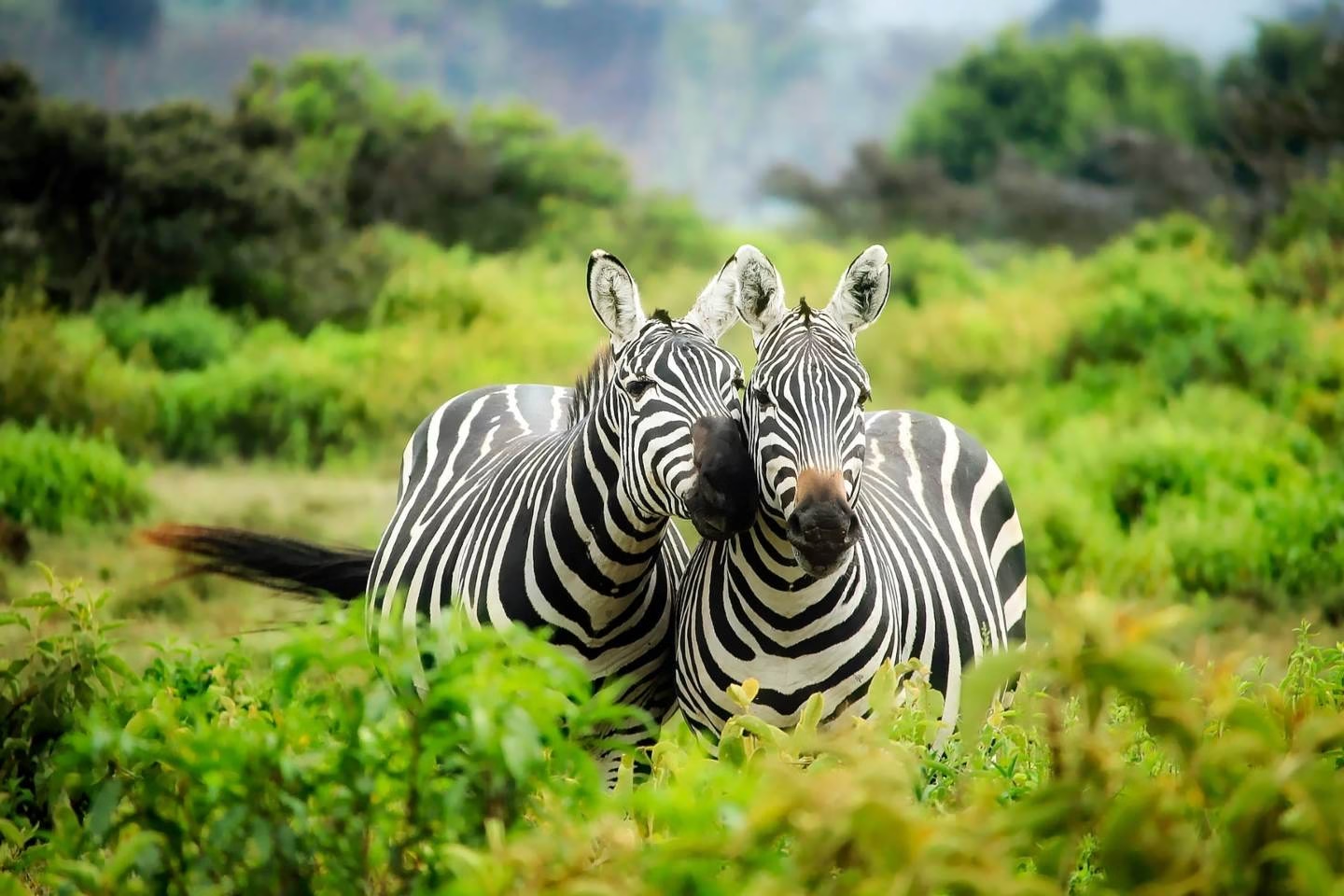
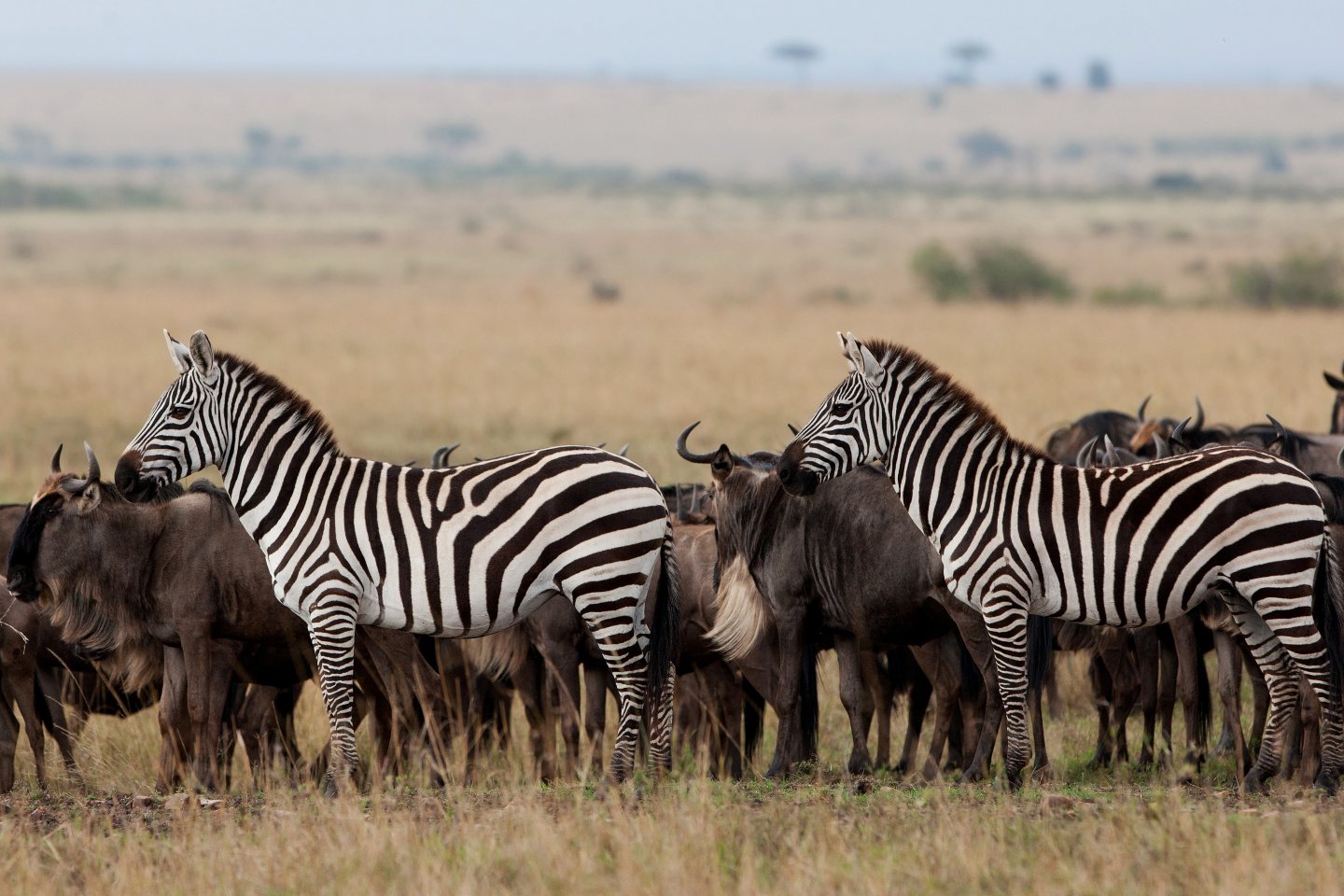
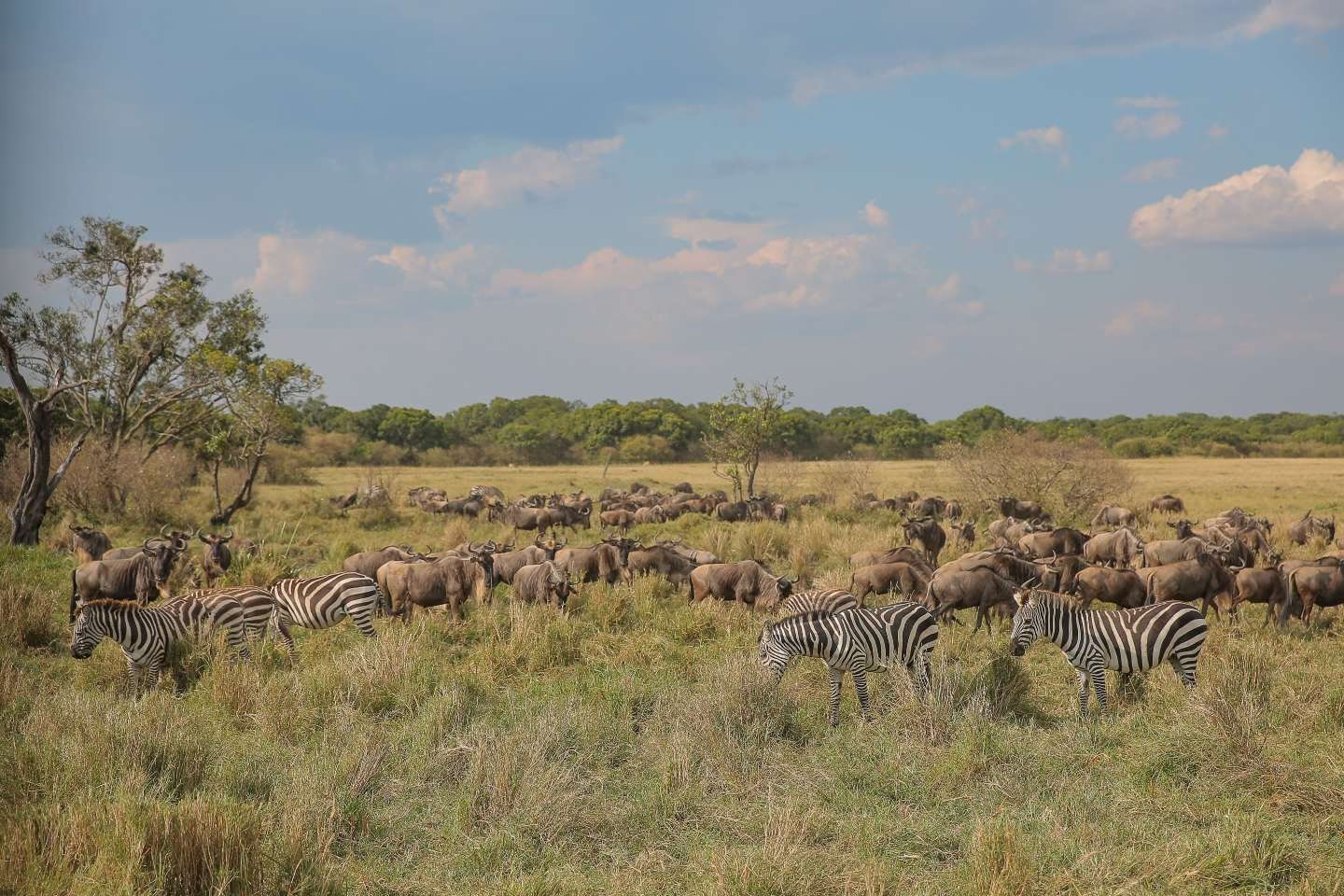
The truth is that both countries have the same migratory route, and neither has better wildlife, they just have the same wildlife at different times of the year. Wildebeest and zebra herds migrate between Kenya’s Masai Mara and the rest of Tanzania’s Serengeti, passing through the dramatic calving season of the southern Serengeti around February.
Kenya is in the right place for river crossings if your travel dates are in the July to October period. In December to June, it’s more likely to be Tanzania’s Serengeti, although Kenya’s parks (Amboseli, Samburu, Nakuru) are still good at any time of year, as they are not reliant on the migration.
Seeing More Parks in Less Time
This is where Kenya truly has an advantage for shorter trips. In one week, it is realistic to see Lake Nakuru’s rhinos, boat safaris in Naivasha, the Big Five in the Masai Mara and the elephants in Amboseli under Kilimanjaro, four different regions within driving distance of each other. Tanzania’s parks are more dispersed, and to see the same diversity (Serengeti, Ngorongoro, Tarangire, Lake Manyara) in the same period of time may involve more internal flights or longer road transfers.
Kenya’s smaller geographical area makes this kind of park-hopping easier than in Tanzania. If you decide to go with a Kenya-only trip, our Masai Mara versus Amboseli comparison goes deeper into how to plan such a trip.
Crowds
There are high numbers of visitors in both countries, especially during the Migration months. The Mara can get busy at certain river crossing points during the months of July and August in particular in Kenya. Ngorongoro Crater in Tanzania is also notorious for congestion as the confined nature of the area means that vehicles are focused in a smaller area. There is no meaningful difference in overall crowd levels between the two countries; it depends on the park and the month.
Visa and Entry Requirements
As of January 2024, Australians traveling to Kenya are required to obtain an Electronic Travel Authorisation (eTA) instead of a traditional visa, which can be processed online in 3-5 business days. A separate visa (eVisa in advance or visa on arrival) is required for Tanzania and is a separate process with its own cost and lead time. If traveling to both countries on the same trip, plan for time and additional fees for each country.
What We’d Really Suggest
If it’s your first safari in Africa, you’re on a week to ten-day trip, and you don’t have the biggest budget, Kenya is the more practical option. The flight connections are less complicated, the parks are nearer and the cost structure is more accessible.
Tanzania is definitely worth considering if you’re looking for the expansive plains of the Serengeti, the concentrated wildlife of the Ngorongoro Crater, or you’re travelling during the Southern Serengeti calving season (January to March).
But if you really can’t decide, then it is a real possibility that many of our clients take, as the two countries border each other and it’s not as complicated as you may think to get from one to the other and back again. It is more expensive and more time consuming, but you don’t have to choose between them.
If you let us know your dates, budget and what you’re looking for, we’ll tell you which country, or which combination, is right for your trip and not just a generic pitch for whichever one we’re selling.
Facebook
Twitter
LinkedIn
Email

Stanley Gichuki
Stanley is Majestic Kenya Safaris' founder. He has a Bachelor of Commerce, a Diploma in Hospitality Management and a tour guiding certificate and has worked for various safari and travel companies, such as Ardan Safaris and Atlas Support Services. He has led in the field and created itineraries from a desk, and he still personally plans for clients. Connect with him on LinkedIn, or via email through stanley (@) majestickenya.com
From Our Blog
July 16, 2026

July 16, 2026
Save up to 20%
We currently have an offer where you can save up to 20% if you book today.
Save 20%
