By Tracey PelhamPublished 3 July 20265 min read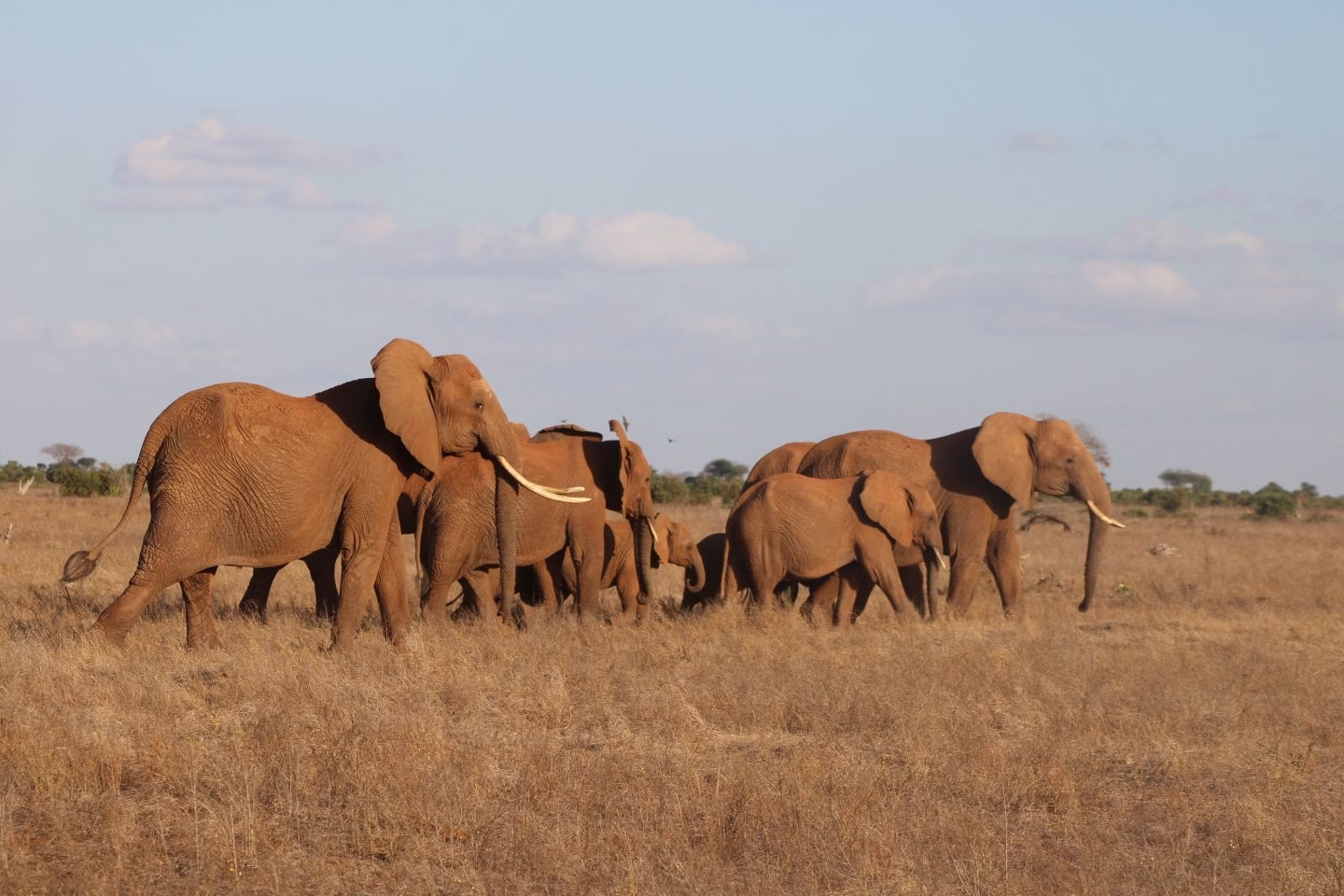
A trip to Kenya with kids is one of the best a family can take, and one that has a particular set of practical questions Australian parents ask us over and over. At what age is it best to take kids on safari? Does the trip need to be shorter because of them? How about the flights? This is what we have learnt from creating family holidays for our Australian clients.
What Age Works Best
While there is no minimum age for a safari in Kenya, most lodges and camps set their own rules, and many don’t allow children under 6 on game drives. Some family-oriented properties with dedicated children’s programs will take younger kids, so it’s worth checking a lodge’s specific policy before booking rather than assuming. Younger children can certainly still travel, but it is better when they are old enough to sit for a few hours in a car, understand that they need to be quiet and still when they are around wildlife, and remember the trip afterwards.
We have found that the age group of 8-14 years is the age group that benefits most from a safari. They are old enough to enjoy what they see, interested enough to ask questions, and young enough to make it feel like magic. However, we have also organised great trips for families with younger children, it’s just that different lodges and pacing is involved.
Selecting the Appropriate Length
Family safaris don’t have to be shorter than a couple’s trip, but the pacing is important. The ideal length of time is usually 5-7 days, which is long enough to really enjoy two or three parks, but not so long that young children are exhausted from early mornings.
For families looking for a good introduction but not too many driving days, our 5-Day Kenya Safari Tour (Lake Nakuru, Naivasha, 2 full days in the Masai Mara) is ideal. For those with more time, the 7-Day Classic Kenya Safari also includes Amboseli, which will give the kids the elephant-and-Kilimanjaro moment that everyone remembers from the trip.
Longer safaris (8-10 days) are suitable for families who have previously done a shorter safari, or where the children are older and can cope with a more complete safari circuit which includes Samburu.
Accommodation Matters More with Kids
This is where family safaris are truly different from a standard safari. Family-friendly lodges usually have:
- Interconnecting or family rooms instead of having to book two separate rooms across a corridor from each other. It is not available in all properties, so it is best to check this before booking, not after.
- Fenced or actively monitored grounds, as not all safari camps are designed for kids to roam freely and some luxury safaris are actually better for adults.
- Pools, which are more important than most parents realize before entering the trip with children. A pool at the lodge is often the highlight of the day from a child’s point of view after a hot afternoon game drive.
- Age-appropriate activity options, such as junior ranger programs at some properties, which give kids a more hands-on introduction to conservation and tracking beyond sitting in the vehicle.
All of this is taken into consideration when choosing a lodge for a family booking in particular. It’s not the same criteria that we would use for a couple’s honeymoon vacation.
Some of the family-friendly lodges/camps that we work with include Mara Serena, Mara Maisha Camp, Sopa Lodges, Sawela Lodges, Kibo Safari Camp, and Ol Tukai Lodge.
The Child Seat and Vehicle Question
Our safari vehicles are configured differently than a regular car, and this is one of the questions Australian parents ask frequently enough to warrant a direct answer. Most safari vehicles do not have child seats like a rental car, but younger children are typically placed between parents or on a booster seat, depending on the vehicle and the operator’s configuration. If your child needs a particular car seat, please discuss this with us before booking so that we can ensure it is available on arrival and doesn’t need to be sorted out once you’re there.
Flights and Jetlag
The flight itself is worth planning around, given the distance from Australia. Overnight flights, where children can sleep through a portion of the trip, are often more successful than daytime flights. If you are travelling from the airport to your first game drive, having a rest day in Nairobi can make a huge difference to the first couple of days, especially for younger children who are still getting used to the trip.
Timing Around Australian School Holidays
Family vacations are tied to school breaks, and that has a greater impact on cost and congestion than people realize. Our guide on how many days you need for a Kenya safari goes into more detail on matching trip length to term dates.
July holidays coincide with the busiest time of the year for Australian families. It’s also the busiest time to book, so if you’re only able to travel in July, book lodges 9-12 months in advance.
September-October holidays are also a great time to visit as the great migration is still on, but with fewer crowds and better rates, if your school allows you to do so.
The green season is December-January, when the terrain is lush, wildlife is born (a great treat for children), and the lodges are cheaper, but it does rain sometimes in the afternoon.
If budget is more important than flexibility, April holidays can be the best time of the year to visit parks, as they are quieter and less expensive.
What Kids Actually Remember
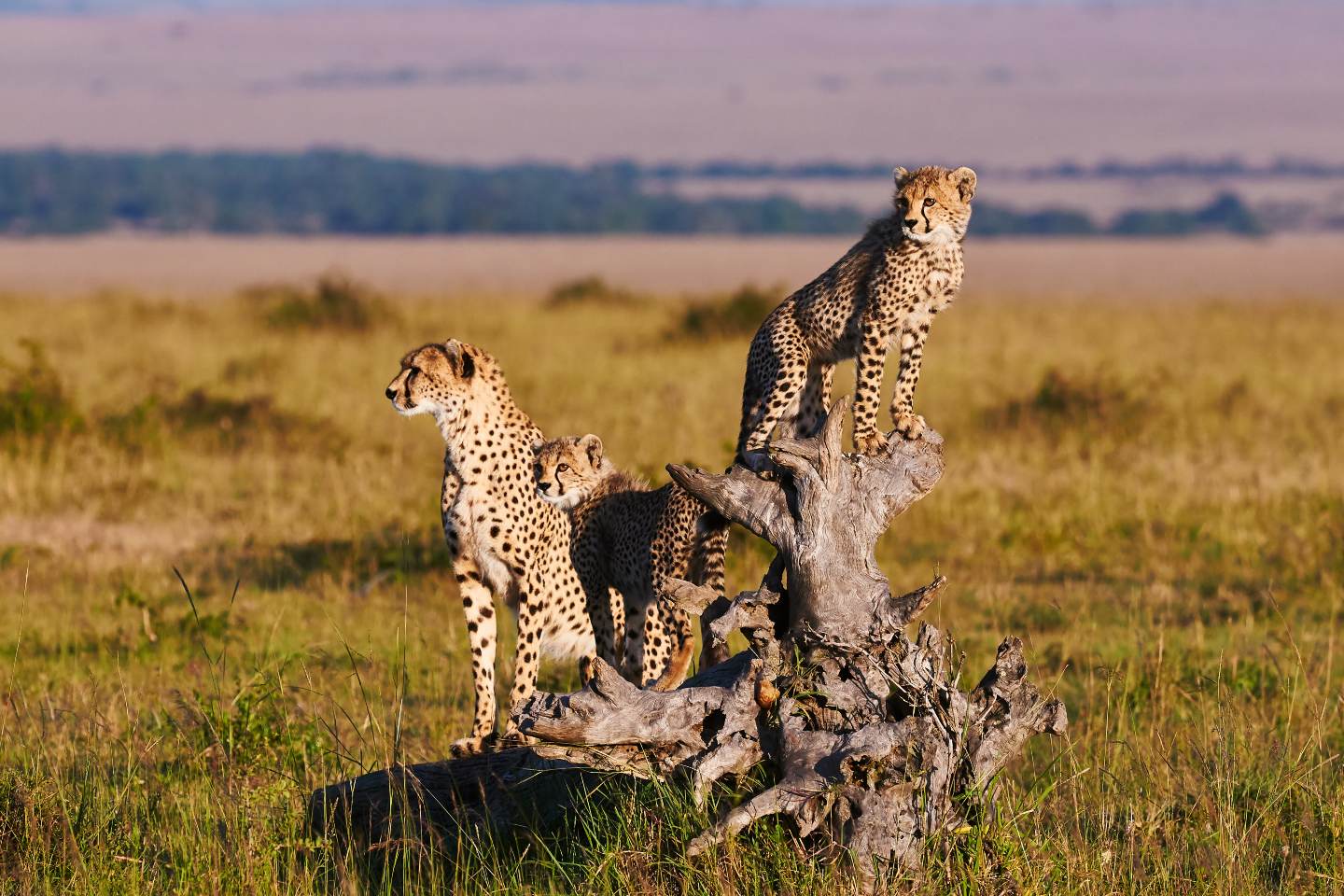
Over the years we have observed a trend with family bookings: children do not recall the most luxurious lodge or the most exclusive conservancy. They recall certain moments, a close encounter with an elephant, a cheetah running, the hot air balloon safari if you include it, the pool at the end of a hot day. This should be taken into consideration when determining where to allocate the budget. A slightly less upscale lodge with a great pool and a good guide who interacts with kids can sometimes be better than a more upscale lodge that’s geared more to adults.
Bringing It Together
For first time family safaris from Australia, we generally recommend 5 to 7 days, depending on which school holiday period you can afford and which you can tolerate, and staying at family-friendly lodges with pools and connecting rooms, plus a rest day after the flight.
Let us know the ages of your children, your dates, and what you’re looking for (not just a regular adult trip with an extra bed thrown in), and we’ll create a trip and hotel package that will work for the entire family. If you’re calculating how much a family safari in Kenya costs compared to a couple’s safari, our Kenya safari cost breakdown is a good next step.
Last updated: 14 October 2026


Ready to plan your Kenya safari?
Tell us your dates and we’ll send an itinerary and price in Australian dollars within 24 hours.