By Tracey PelhamPublished 16 July 20257 min read
You’ve been in a safari vehicle for a week and then you smell salt air? It’s as though your entire body lets out a breath. I’ve made this switch numerous times, from game drives to beach chairs and it’s never boring.
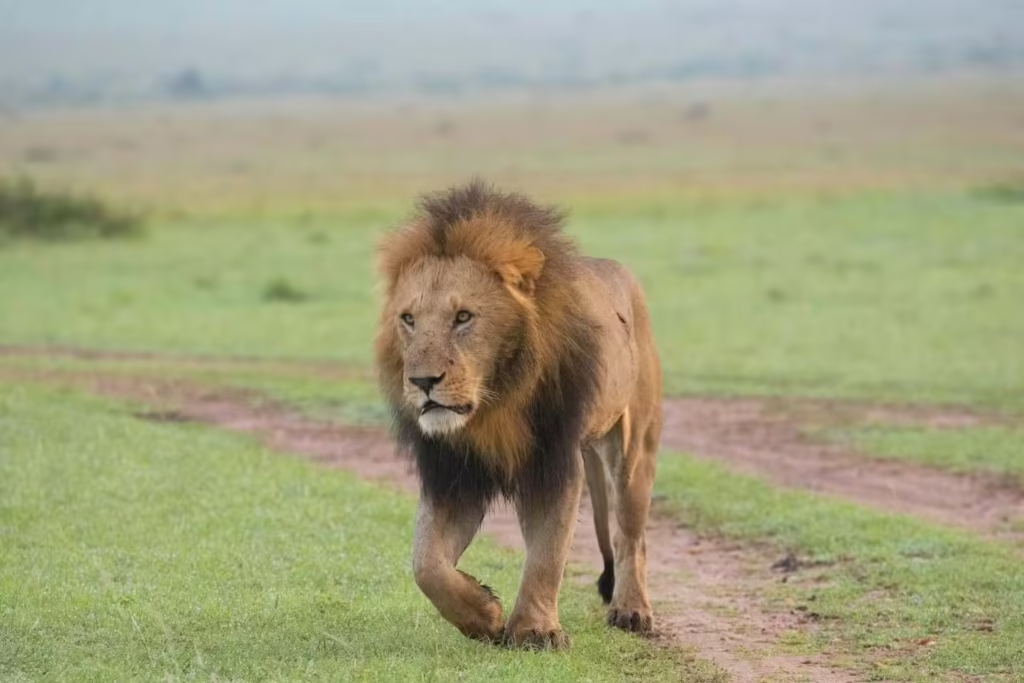
There’s something therapeutic about being on a beach, after days of getting up at 5 AM to chase lions and elephants. The most important choice you have to make is whether to get a cold beer or coconut water. After a week of “wake up, we’re tracking rhinos,” this is the ultimate luxury, trust me.
I always advise people to come to the coast for at least a few days after safari. You need to relax and Kenya’s beaches are among the most beautiful in the world. Choosing the right location is dependent on the type of recovery you need.
After sleeping in tents, some people want 5-star resorts with spa treatments. Others want to continue the adventure by diving and water sports. And some just want to lie on white sand and do absolutely nothing for three days straight. All correct answers.
Here’s where I send people, depending on what they say they need after safari.
I would recommend Diani beach to people nine times out of ten. It’s got everything, great beaches, good restaurants, activities if you want them, and enough luxury to make you forget about those early morning wake-up calls.
The beach itself is ridiculous. 17 km of white sand which squeaks when you walk on it. The water is this perfect turquoise and it’s not too choppy to swim in without having to battle the waves. It’s been a week of dust and rough roads, just floating in that water feels like medicine.
I really like the range of Diani. For those who are still in the mood for adventure, kitesurfing and deep-sea fishing are available. Massage, a good book, and a beach chair for those who wish to relax. For those who are tired of camp meals, there are Italian, Indian and seafood restaurants.
The range of accommodation is also ideal. If you’ve spent all your money on safari, you can opt for budget guesthouses, or if you want to treat yourself, you can go for a luxury resort. I have been staying at $40 places and $400 places, both were great.
If you’ve been hooked on safari and want to continue your journey, then Watamu beach is the place for you. Others find themselves torn between Diani and Watamu, but in short, if the reef and the marine life are more important to you than the nightlife, then Watamu is the winner. This marine national park is home to some of the best coral reefs I’ve ever seen. From searching for the Big Five on land to swimming with whale sharks and manta rays is quite amazing.
I love sending people here who got into the wildlife photography aspect of safari. Photography under water is a different ball game and this marine life will provide you with a lot to work with.
The town itself is small and quiet, which is what you may need after all the excitement of safari. Walkable, small and friendly restaurants, and you’ll know half the people in town after two days.
The downside is that there are few options. There may be only six good restaurants in total, and if you’re not a diver or fisher, you may get bored. However, if you’re looking to go diving every day and fresh fish every night, it’s ideal.
Malindi offers you a bit of history and culture that most beach destinations don’t. A balance is achieved after a safari in Kenya’s natural heritage, and then a visit to the cultural heritage of the coast.
These amazing Portuguese and Arab influences are centuries old in the old town area. In the morning, visit the Vasco da Gama Pillar or the small Portuguese Chapel nearby, or the Malindi Museum, and then head for the beach in the afternoon. If you’re not ready to turn off your brain, it’s a good mix.
Malindi Bay beach is nice, but not as clean as Diani or Watamu. However, the town has a personality. You’ll dine at family-owned restaurants, buy your produce from the local markets, and experience real coastal Swahili culture.
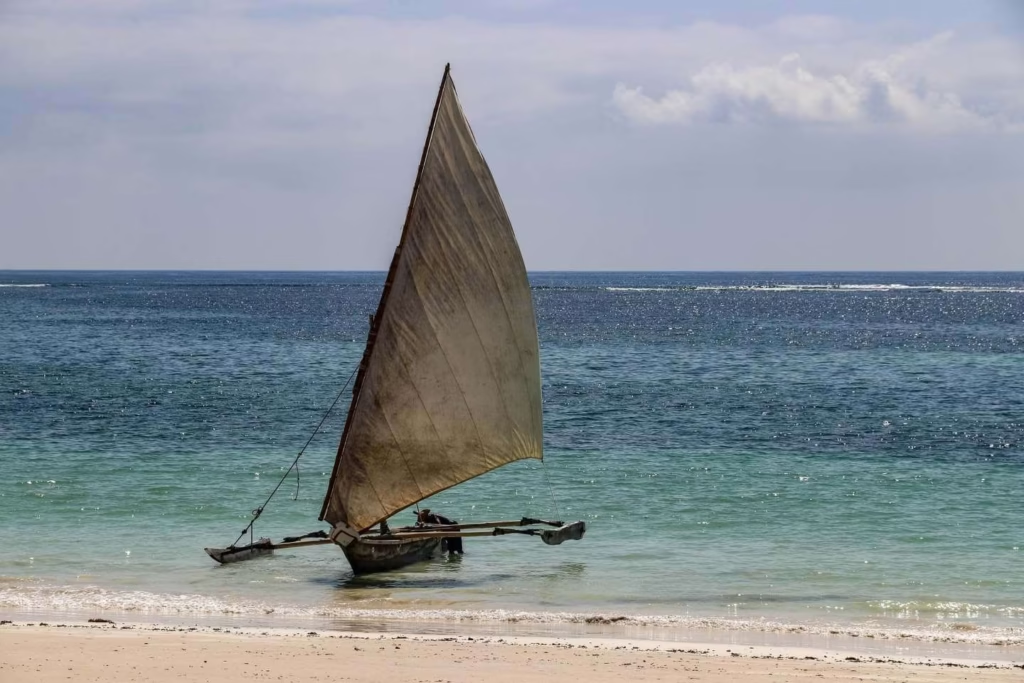
Lamu is a place like no other on Kenya’s coast. This UNESCO World Heritage site has remained largely unchanged over the centuries. There were no cars, only donkeys and dhows. The old town is a maze of narrow streets with traditional Swahili architecture.
After safari, it is like picking up various pieces of Kenya’s story. You’ve done the wildlife part, now you’re doing the cultural history part. It’s a timeless quality that’s pretty magical throughout the whole island.
Shela Beach is beautiful, long sandy beaches with virtually no development. Most of the accommodation consists of traditional guesthouses and boutique hotels, which preserve the old world character but lack modern amenities.
This is a very slow pace here. I mean, the fastest form of transportation is a donkey. This is a welcome slowdown after a week of game drives and busy schedules.
Others return from safari and see that they miss the comforts of the city. Mombasa offers you a true city experience and beach access. Being able to go shopping, exploring and having a choice of dozens of restaurants after days in remote camps is pretty good.
The old town area is interesting. The story of centuries of coastal trade is told in Fort Jesus, spice markets and historic buildings. There are hours to be spent just strolling around and then when you want to relax, you can head to Nyali Beach or Bamburi Beach.
The beaches around Mombasa are good but not great, but you’re not really sacrificing much for that. There are flights from most safari destinations, and all kinds of lodging and dining options are available.
If you’re looking for something out of the ordinary, I would highly recommend Kilifi. It is located on this beautiful creek system, where the river flows into the ocean. These sheltered waters are ideal for kayaking and stand-up paddleboarding, due to the geography.
The atmosphere is casual and creative. It’s a little artsy and less touristy than other coastal destinations, as there’s a small group of artists and musicians that have found this area.
The highlight is Bofa Beach, which features stunning sand and is not overrun. The water is not choppy, the atmosphere is serene and you can spend days just swimming and reading.
The majority of people fly from safari sites to the coast. From Maasai Mara and Amboseli, the most convenient flights are to Diani and Mombasa. The two places, Watamu and Malindi, can only be reached by a long drive from Mombasa or by connecting via Nairobi.
Consider your energy level when selecting. If you are tired from the safari, opt for a place with a good spa and luxury lodging. If you still have energy, head somewhere with activities and opportunities for exploration.
If you’re looking for more ideas on what you can do in Kenya, other than the beach, then you should check out our list of things to do in Kenya before you choose a location.
If you want to do more research, the Kenya Tourism Board has information on all the coastal destinations.
The majority of people spend 3-7 days on the coast following safari. Three days is sufficient to relax and soak up some sun. A week allows you to get a good feel for the activities and try them out.
Typically, I suggest four days. If you enjoy it, you can always prolong it. If you’re getting restless, you can head home or move on to your next destination.
If you’re planning a Kenya safari and beach combination, consider our safari and beach holiday packages that combine both experiences. It’s usually cheaper than booking separately and eliminates the hassle of coordinating flights and transfers yourself.
If someone put a gun to my head and told me to choose one place for people to disembark from safaris, it would be Diani. It provides the best combination of relaxation, activities, food, lodging and logistics.
However, the “best” option depends on what you want to do following safari. For nature lovers, Watamu is the place to be. Lamu is a must try for anyone seeking cultural immersion. Diani’s high-end resorts are the move for luxury and pampering.
The key is to not completely avoid the coast. I have seen so many people do great safaris and then fly home. They are missing out on one of the best aspects of visiting Kenya.
Spending days in the dust, getting up early, and the excitement of seeing wildlife is just the beginning, and when you finally get to sink your toes into white sand and listen to the waves, it’s the best reward. The coast of Kenya is the perfect place for this transition and, in all honesty, makes both experiences more memorable.
Either way, allow yourself sufficient time to truly relax. Going straight from safari adrenaline to the airport to home doesn’t give your body and mind time to process what you’ve just seen. After a few days on the beach, you’ll have time to relax and enjoy what you’ve accomplished.
Not to mention the contrast is incredible. You see elephants at a watering hole one day, and the next you’re floating in the Indian Ocean. That’s the type of trip you’ll never forget.
Last updated: 14 October 2026
Tell us your dates and we’ll send an itinerary and price within 24 hours.