By Tracey PelhamPublished 17 September 20244 min read
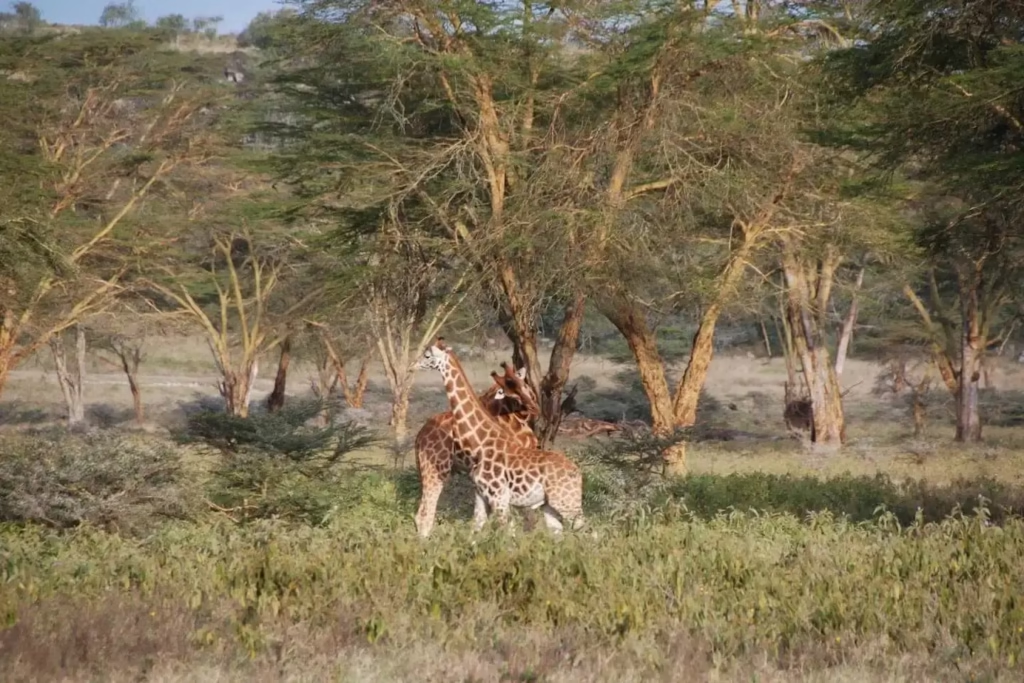
Imagine this: you’re drinking coffee at dawn, as the sun bathes the savanna in golden light. A giraffe is eating acacia leaves and a line of elephants is walking in the distance. Where are you, though? Tanzania or Kenya? While both countries have jaw-dropping safari experiences, they each have their own flavor. Let’s get into the specifics of Tanzania vs Kenya safaris to help you choose your dream African vacation.
If you have ever watched those heart-stopping wildebeest river crossings on TV, you’ve probably seen them in Kenya’s Masai Mara. Between July and October more than 1.5 million wildebeest, zebras and gazelles pour into the Mara from the Serengeti in Tanzania. It’s akin to observing rush hour traffic, except there are more hooves and hungry crocodiles.
Most of the action takes place in Tanzania’s Serengeti, with Kenya receiving the grand finale. Wildebeest stay here for approximately eight or nine months of the year to give birth, feed and avoid predators.
The Verdict: Both provide amazing migration sightings, but Tanzania provides more time and space to witness the migration.
Think of a large natural bowl full of wildlife. This is Ngorongoro Crater. This extinct volcano supports more than 25,000 animals, including a small, well protected population of black rhino, one of the more reliable locations in East Africa to view them, although the numbers here (a few dozen individuals) are a drop in the bucket compared to what once roamed the crater floor.
Although Kilimanjaro is located in Tanzania, the best views of the continent’s highest peak are to be found in Kenya’s Amboseli National Park. Imagine flocks of elephants walking through dusty plains, with that snow-capped peak in the background. This will be a picture opportunity that will make your Instagram followers a bit jealous.
The Verdict: Tanzania is the most diverse, while Kenya is the most “Out of Africa.”
For those who like to take the road less traveled, Tanzania’s southern parks are for you. Ruaha and Selous (now mostly known as Nyerere) are huge, wild and wonderfully uncrowded. Here you may see more baobab trees than other tourists.
The northern reserves are a totally different environment with wildlife you won’t find elsewhere in Kenya. Samburu is home to the “Samburu Special Five” which includes the reticulated giraffe, Grevy’s zebra, gerenuk, beisa oryx and Somali ostrich. It is similar to collecting Pokémon, but cooler.
The verdict: Both countries have great off-the-grid opportunities. The decision will be based on whether you prefer the southern part of Tanzania or the northern part of Kenya.
After days of dusty game drives, Zanzibar’s turquoise waters and white sand beaches are a sight for sore eyes. This island is a spicy cultural mixture of Swahili, Arab and European influences. The Zanzibar Commission for Tourism is a great resource to learn more about the island’s history and culture.
Kenya’s coastline is not to be sneezed at either. Diani Beach is a beach with powder soft sand, coral reefs, and relaxed ambiance. The best spot to swap out safari boots for flip-flops and binoculars for a fruity drink.
The Verdict: Tanzania’s Zanzibar is unbeatable for that exotic island feel, but Kenya’s mainland beaches are more convenient if you’re short on time.
Both countries have Maasai people, but Tanzania has more cultural experiences on offer. You’ll learn a lot about East African anthropology from the Hadzabe hunter-gatherers to the Datoga blacksmiths.
Kenya was one of the earliest places in Africa to formalize community-managed wildlife conservancies at scale, and the model has become a cornerstone of conservation in the north of the country. These conservancies give you the chance to see local communities directly involved in conservation, which makes for some of the most meaningful safari encounters around. The Northern Rangelands Trust has good information on how community conservancies work in northern Kenya.
The Verdict: Tanzania has more diversity, but Kenya’s community conservancies have more meaningful interactions.
So, Tanzania or Kenya? Here’s the deal:
Choose Tanzania if:
You want more time with the Great Migration
You are looking for a variety of scenery and habitat
You are interested in parks that are not as well known
You’re thinking of a Zanzibar beach ending
Pick Kenya if:
You desire those old fashioned savanna vistas
You need to get in and out of the park quickly (Kenya’s parks are closer together)
You’re interested in community-based conservation
It’s the “Out of Africa” love story you’re looking for
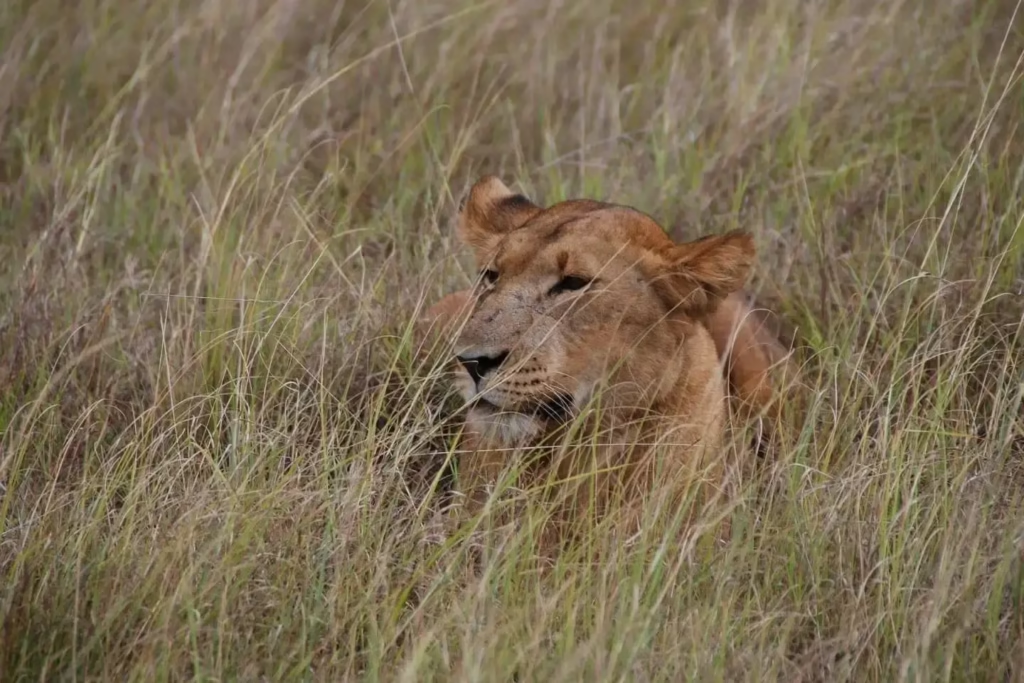
The reality is, you can’t go wrong with either. Tanzania and Kenya have amazing wildlife, wonderful scenery and hospitality. It’s similar to the choice between chocolate and vanilla ice cream, both are good, but in different ways. When it comes to Kenya, our all-inclusive safari packages are a great way to get a sense of what a trip looks like. Either way, keep in mind: a safari isn’t a holiday, it’s a life-changing experience. Gather your sense of wonder (and perhaps bug spray) and prepare. The lions await.
Last updated: 14 October 2026
Tell us your dates and we’ll send an itinerary and price within 24 hours.